International students in Australia are required by the Department of Home Affairs to maintain Overseas Student Health Cover (OSHC) for the duration of their visa. According to the Department of Education, Australia hosted over 650,000 international students in 2025, all of whom needed compliant OSHC. While hospital and medical coverage is standardised across providers, dental and optical benefits vary dramatically. The Private Health Insurance Ombudsman (PHIO) reports that extras claims disputes frequently arise from misunderstandings about annual limits and waiting periods. This deep-dive examines CBHS OSHC in 2026, with a laser focus on dental and optical — two of the most commonly used services by students.
CBHS OSHC Dental Benefits: Annual Limits and Sub-limits
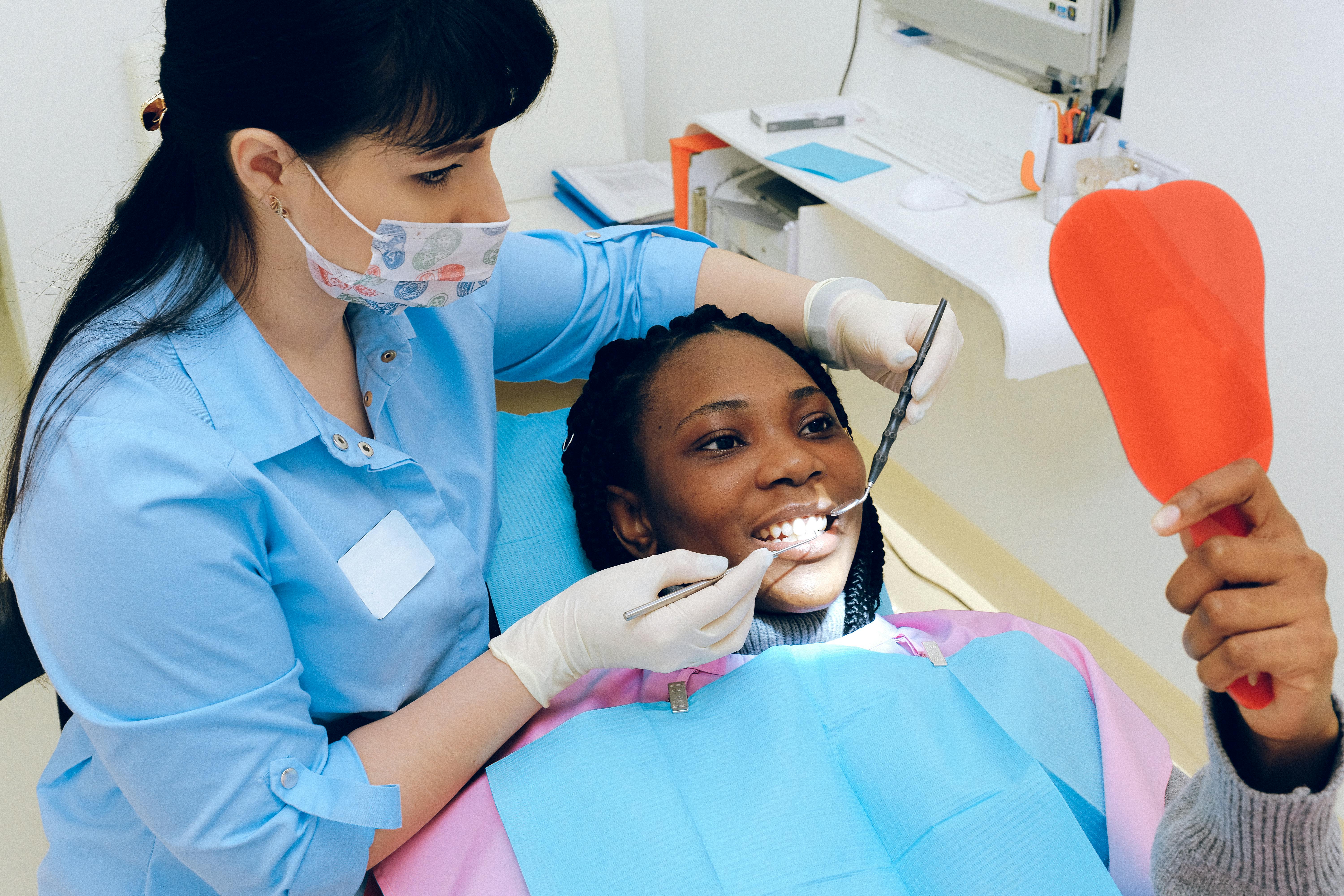
CBHS OSHC provides dental coverage under its Extras benefits schedule, not under the core hospital cover. For the 2026 policy year, the general dental annual limit stands at $300 per insured person. This covers routine examinations, scale and clean, simple extractions, and X-rays. There is a 12-month waiting period for all dental services, which means students cannot claim any dental expenses during their first year of coverage unless they transfer from another OSHC provider with equivalent waiting periods already served.
Within the $300 annual cap, sub-limits apply per service type. A routine dental examination is capped at $45 per visit, while scale and clean is limited to $80 per visit. Simple extractions are reimbursed up to $90 per tooth. These sub-limits are critical: a student attending two check-ups and two cleans in one year would exhaust the $300 limit quickly, leaving no room for unexpected fillings or extractions. CBHS OSHC pays benefits at 100% of the scheduled fee up to these sub-limits, but any gap between the dentist’s actual charge and the CBHS scheduled fee remains the student’s responsibility.
Optical Benefits: Glasses, Contacts, and Eye Exams
Optical coverage under CBHS OSHC 2026 is structured with a $200 annual limit per insured person. This covers prescription glasses, contact lenses, and eye examinations performed by an optometrist. The waiting period for optical benefits is 12 months, identical to dental. Unlike some competitors that separate eye exam limits from hardware limits, CBHS combines all optical services under the single $200 cap.
An eye examination is reimbursed up to $60 per visit, which consumes a significant portion of the annual limit. Prescription glasses or contact lenses are covered for the remaining balance. For example, if a student uses a $60 eye exam, only $140 remains for frames and lenses. CBHS does not differentiate between single-vision, bifocal, or multifocal lenses in its scheduled fees — the reimbursement is based on a fixed scheduled amount regardless of lens complexity. Students requiring high-index or progressive lenses often face substantial out-of-pocket costs.
Waiting Periods and Portability Rules
Both dental and optical benefits carry a mandatory 12-month waiting period under CBHS OSHC. This is aligned with the Private Health Insurance Act 2007, which permits insurers to impose waiting periods for extras cover. However, CBHS recognises prior waiting periods from other Australian OSHC providers. If a student transfers from Allianz, Medibank, or Bupa and has already completed 12 months of continuous OSHC, CBHS waives the dental and optical waiting periods upon receiving a clearance certificate.
The portability rule is governed by PHIO Circular 2025/03, which clarifies that OSHC transfers between registered Australian insurers must honour equivalent waiting periods. CBHS requires a Transfer Certificate from the previous insurer, which must show the exact start date and any claims history. Without this certificate, the full 12-month waiting period applies from the CBHS policy start date. Students should never cancel their old OSHC before the new policy is active, as any gap in coverage resets waiting periods entirely.
Claim Process and Reimbursement Timelines
CBHS OSHC claims for dental and optical services can be lodged via the CBHS mobile app, online member portal, or by email. For dental claims, the dentist typically provides an itemised invoice with ADA (Australian Dental Association) item numbers. CBHS requires these item numbers to process claims accurately. Optical claims require a prescription from a registered optometrist and a receipt showing the purchase details.
The standard processing time is 5 to 10 business days from receipt of a complete claim. CBHS pays reimbursements directly into the member’s nominated Australian bank account. According to CBHS internal service metrics published in their 2025 Annual Report, 92% of dental claims and 88% of optical claims were processed within 10 business days. Students should note that incomplete documentation — missing item numbers, illegible receipts, or absence of optometrist registration details — is the leading cause of delays.
CBHS vs Allianz vs Medibank vs Bupa: Dental & Optical Comparison
Comparing the four major OSHC providers reveals significant differences in dental and optical benefits for 2026. Allianz OSHC offers a $300 dental annual limit with no sub-limits per service, meaning students can allocate the full $300 flexibly across any dental treatments, including major dental. Optical coverage is $200, but Allianz separates eye exams from hardware, effectively giving an extra $60 for examinations outside the $200 limit. Medibank OSHC provides $300 dental with a $100 sub-limit on scale and clean, and optical is capped at $200 with a $70 eye exam sub-limit.
Bupa OSHC offers the highest dental limit at $350 annually, with optical also at $200. Bupa’s key advantage is a 6-month waiting period for general dental and optical, compared to CBHS’s 12 months. This makes Bupa more attractive for students who need dental or optical services within their first year. However, Bupa’s premiums are approximately 8-12% higher than CBHS for equivalent single cover. CBHS OSHC premium rates for 2026 are among the most competitive, with single cover starting at $478 annually, compared to Allianz at $509 and Bupa at $537. The trade-off is CBHS’s stricter sub-limits and longer waiting periods.
How to Maximise CBHS Dental and Optical Benefits
To extract maximum value from CBHS OSHC dental and optical coverage, students should plan treatments across calendar years. The annual limits reset on January 1 each year, not on the policy anniversary date. A student who joins in July 2026 can use the full $300 dental and $200 optical limits between July and December 2026, and then a fresh set of limits from January 2027. This effectively doubles the available benefits within the first 12 months of coverage.
For dental, schedule major treatments just after January 1 to ensure the full annual limit is available. Combine a check-up and clean in one visit to minimise gap payments, as CBHS pays 100% of scheduled fees. For optical, purchase glasses and have an eye exam in separate calendar years if possible. An eye exam in December followed by glasses in January allows the $60 exam to use the current year’s limit and the glasses to use the new year’s $200 limit. Always request a detailed quote from the dentist or optometrist before treatment, and check the CBHS scheduled fee for each item number to estimate out-of-pocket costs accurately.
Policy Exclusions and Limitations to Watch
CBHS OSHC explicitly excludes several dental and optical services that students often assume are covered. Cosmetic dentistry, including teeth whitening, veneers, and orthodontic treatments like braces or Invisalign, is not covered. Major dental procedures such as crowns, bridges, root canals, and dental implants fall outside the general dental limit and are only covered under hospital cover if requiring hospitalisation — which is rare for OSHC policyholders. For optical, non-prescription sunglasses, blue-light filtering coatings without a prescription requirement, and laser eye surgery are all excluded.
The scheduled fee model is another critical limitation. CBHS reimburses based on a predetermined fee schedule, not a percentage of the actual charge. If a dentist charges $150 for a filling but CBHS’s scheduled fee is $90, the student pays the $60 gap even though the service is “covered.” This contrasts with some domestic extras policies that pay 60-80% of the actual charge. International students should always ask their provider if they charge at the CBHS scheduled fee rate to avoid unexpected gaps.
FAQ
Q1: Can I claim dental and optical benefits immediately with CBHS OSHC?
No. Both dental and optical benefits have a 12-month waiting period. If you transfer from another Australian OSHC provider with 12+ months of continuous coverage, CBHS waives the waiting periods upon receiving a valid Transfer Certificate.
Q2: How much does CBHS pay for a dental check-up and clean?
CBHS pays up to $45 for a routine examination and up to $80 for a scale and clean. If your dentist charges more than these scheduled fees, you pay the difference. The combined annual dental limit is $300.
Q3: Does CBHS OSHC cover wisdom teeth removal?
General dental extractions are covered up to $90 per tooth under the $300 annual limit, but only if performed in a dental chair. Hospitalisation for wisdom teeth removal is covered under the hospital component, but the surgeon’s fees may have gaps. Complex surgical extractions often exceed the $90 sub-limit significantly.
Q4: Can I use my optical benefit for prescription sunglasses?
Yes, prescription sunglasses are covered under the $200 optical annual limit, provided you have a valid prescription from a registered optometrist. Non-prescription sunglasses are excluded.
参考资料
- Australian Government Department of Home Affairs 2026 Overseas Student Health Cover Guidelines
- Private Health Insurance Ombudsman 2025 OSHC Complaints and Disputes Annual Report
- CBHS Corporate Health 2025 Annual Report and Member Statistics
- Private Health Insurance Act 2007 (Cth) — Waiting Period Provisions
- Australian Dental Association 2026 Fee Schedule and Item Number Guidelines
- QS World University Rankings 2026 International Student Mobility Data