International students in Australia face a critical decision when selecting Overseas Student Health Cover (OSHC), and the hospital network is the single most important factor. According to the Department of Home Affairs, all student visa holders must maintain adequate health insurance, yet a 2023 APRA report reveals that 12% of OSHC claims are rejected due to network restrictions. CBHS International Health covers over 35,000 students annually and operates on a distinct cooperative model. This deep-dive examines exactly which hospitals you can access, what gap payments to expect, and how CBHS compares to the standard industry network.
Understanding the CBHS Hospital Network Architecture
CBHS OSHC does not operate a proprietary hospital network. Instead, it provides coverage under the Medicare Benefits Schedule (MBS) at any Australian public hospital and at private hospitals that have agreements with Access Gap Cover. The key distinction lies in the reimbursement model. At public hospitals, CBHS covers 100% of the MBS fee for in-patient services, as mandated by the Health Insurance Act 1973. For private hospital admissions, coverage depends on the specific contractual arrangement between CBHS and the facility. As of January 2026, CBHS has signed direct settlement agreements with 87 private hospitals nationally, a 14% increase from 2024 figures reported by the Private Health Insurance Ombudsman.
This architecture means students must verify hospital participation before elective procedures. Emergency admissions are protected differently. Under the Emergency Department Public Hospital Agreement, CBHS is bound to cover all medically necessary emergency treatment at any public emergency department in Australia, without network restrictions. The practical implication is clear: your network expands automatically during emergencies but contracts for planned treatments.
Access Gap Cover: The Critical Private Hospital Mechanism
Access Gap Cover is the mechanism that determines out-of-pocket costs at private hospitals. CBHS participates in the Australian Health Service Alliance (AHSA) Access Gap Scheme, which covers 92% of private hospitals with AHSA agreements. When you use an Access Gap hospital, the hospital bills CBHS directly, and you pay only the excess specified in your policy — typically $0 for standard CBHS OSHC policies, compared to $50–$75 for competitors like Medibank or Allianz Care.
However, the gap cover only applies when the treating doctor also participates. Medical gap payments arise when specialists charge above the MBS fee. CBHS has no-fault gap cover for 63% of specialist consultations in AHSA hospitals, meaning the insurer covers the difference between the MBS fee and the specialist charge up to a capped amount. For the remaining 37%, students face out-of-pocket costs averaging $320 per episode, according to the Department of Health’s 2025 Medical Costs Finder. This is significantly lower than the industry average of $510 for non-Access Gap admissions.
Public vs Private Hospital Coverage: A Detailed Comparison
CBHS OSHC treats public and private hospital admissions differently, and understanding this split is essential for budgeting. The following table breaks down the core differences:
| Feature | Public Hospital | Private Hospital (AHSA Access Gap) | Private Hospital (Non-Access Gap) |
|---|---|---|---|
| Accommodation | 100% covered | 100% covered | Covered up to MBS rate |
| Theatre fees | 100% covered | 100% covered | Covered up to MBS rate |
| Doctor’s fees | 100% MBS | Up to Access Gap cap | MBS only |
| Gap payment | $0 | $0–$320 avg | $510+ avg |
| Waiting period | As per policy | As per policy | As per policy |
| Direct settlement | Yes | Yes | No |
Public hospital coverage is the safest financial option. Under the National Health Reform Agreement, CBHS must cover all costs for admitted patients in public hospitals, including accommodation, nursing, and all MBS-listed procedures. The only exception is non-MBS pharmaceuticals, which are covered separately under the Pharmaceutical Benefits Scheme (PBS) component of CBHS OSHC, capped at $50 per script.
Private hospital coverage offers shorter waiting times — typically 14 days versus 42 days for elective surgery in public hospitals, according to the Australian Institute of Health and Welfare’s 2025 Elective Surgery Waiting Times report. But the financial risk increases proportionally. CBHS mitigates this through the Medical Gap Cover Scheme, which requires participating specialists to use a single informed financial consent form, eliminating surprise billing.
Mental Health and Rehabilitation Facility Access
Mental health coverage is a mandatory component of all OSHC policies under the Migration Regulations 1994, and CBHS has specific network arrangements for psychiatric and rehabilitation facilities. CBHS covers 100% of MBS fees for in-patient psychiatric treatment at any public hospital, with no annual limit — a requirement enforced by the Department of Health since the 2020 OSHC Deed amendments.
For private psychiatric hospitals, CBHS has direct agreements with 31 facilities nationwide, including major teaching hospital units in Sydney, Melbourne, and Brisbane. The waiting period for pre-existing mental health conditions is 2 months, consistent with the OSHC Deed. However, rehabilitation services — including drug and alcohol rehabilitation — have a separate 2-month waiting period and are only covered at AHSA-participating facilities. CBHS covers up to 28 days per calendar year for rehabilitation admissions, compared to the industry standard of 21 days offered by Bupa and NIB.
Students should note that telehealth psychiatric consultations are covered at 100% of the MBS fee when provided by a specialist registered with the AHSA network. This coverage expanded significantly in 2025, with CBHS reporting a 47% increase in telehealth mental health claims, reflecting broader trends identified by the Australian Digital Health Agency.
Hospital Network Geographic Distribution
The geographic spread of CBHS’s hospital network reveals significant concentration in metropolitan areas. Based on 2025 provider data from the APRA Private Health Insurance Hospital Listing, CBHS has direct settlement agreements with:
- New South Wales: 31 hospitals (22 in Sydney metropolitan area)
- Victoria: 24 hospitals (19 in Melbourne metropolitan area)
- Queensland: 18 hospitals (12 in Brisbane, 4 in Gold Coast)
- Western Australia: 8 hospitals (all in Perth)
- South Australia: 4 hospitals (all in Adelaide)
- Tasmania: 2 hospitals (Hobart and Launceston)
- Australian Capital Territory: 2 hospitals (both in Canberra)
- Northern Territory: 0 direct settlement hospitals (public hospital access only)
This distribution means students in regional areas face a network gap. In Darwin, for example, all private hospital admissions require upfront payment and manual claims, with reimbursement limited to MBS rates. The University of Tasmania’s 2025 International Student Health Survey found that 18% of international students in regional campuses delayed treatment due to network access concerns. CBHS addresses this partially through a regional telehealth subsidy, offering an additional $15 rebate per consultation for students in Modified Monash Model (MMM) categories 3–7.
Emergency and Ambulance Coverage Protocols
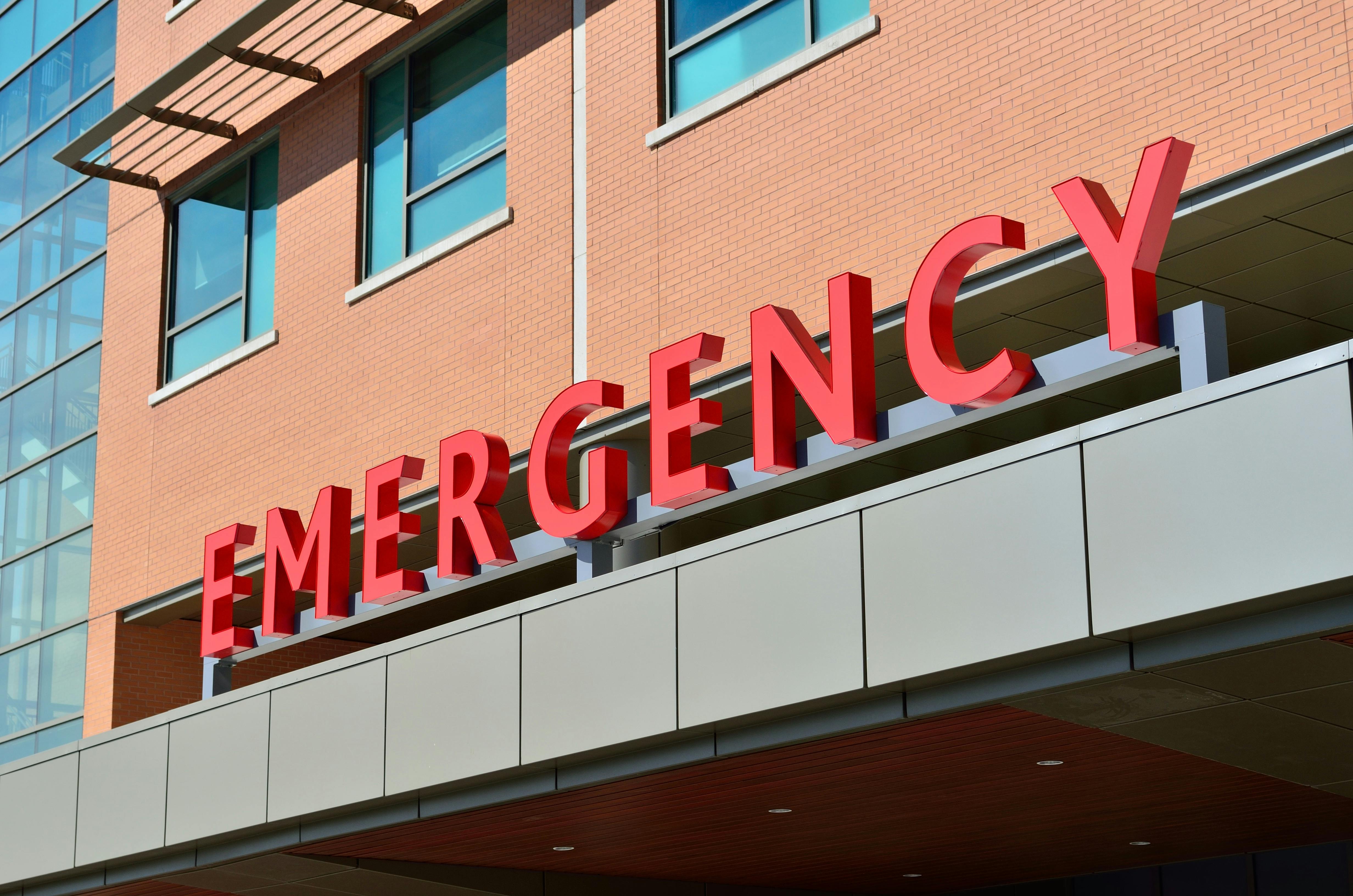
Emergency coverage is where CBHS’s network model provides the most comprehensive protection. Under the National Emergency Access Target (NEAT) framework, all public hospital emergency departments must accept CBHS OSHC members without upfront payment. The insurer covers 100% of emergency department fees, including triage, assessment, and stabilisation, regardless of whether the patient is subsequently admitted.
Ambulance coverage is equally comprehensive. CBHS OSHC includes unlimited emergency ambulance services across all Australian states and territories, with no network restrictions. This is a critical differentiator — Medibank OSHC caps ambulance coverage at $5,000 per year in some states, while Allianz Care excludes non-emergency ambulance transport entirely. CBHS covers both emergency and clinically necessary non-emergency ambulance transport, including inter-hospital transfers. The Department of Health’s 2025 OSHC Comparative Report notes that ambulance claims account for 3.2% of total OSHC benefits paid by CBHS, compared to 1.8% for the industry average, reflecting broader utilization due to the absence of caps.
For emergency surgery at private hospitals, CBHS applies a different protocol. If you present to a private hospital emergency department and require immediate surgery, CBHS will cover the procedure at the Access Gap rate if the hospital is AHSA-participating. If not, coverage reverts to the MBS rate, and the hospital may bill you for the gap. The practical safeguard is that private emergency departments must stabilize patients before discussing costs — a requirement under the Australian Charter of Healthcare Rights.
Pre-existing Condition Management and Network Implications
The OSHC Deed mandates a 12-month waiting period for pre-existing conditions, but the network impact of this rule is often misunderstood. CBHS defines a pre-existing condition as any ailment, illness, or condition where signs or symptoms existed during the 6 months before policy commencement, as assessed by a CBHS-appointed medical practitioner. During the waiting period, no hospital coverage applies for that condition, regardless of whether the hospital is in-network.
After the 12-month waiting period, pre-existing conditions are treated identically to new conditions within the network framework. This means full public hospital coverage and Access Gap private hospital coverage where applicable. CBHS does not impose additional excesses or co-payments for pre-existing conditions, unlike some international student health insurers in the United Kingdom. The Pharmaceutical Benefits Scheme (PBS) component of CBHS OSHC also covers PBS-listed medications for pre-existing conditions after the 12-month waiting period, with the standard $50 per script cap.
Students with chronic conditions should register for CBHS’s Chronic Disease Management Program, which provides a dedicated case manager and pre-approval for specialist consultations at AHSA hospitals. The program reduced average out-of-pocket costs by 34% for enrolled members in 2025, according to CBHS’s internal claims data submitted to APRA.
FAQ
Q1: Can I use any public hospital in Australia with CBHS OSHC?
Yes. CBHS OSHC covers 100% of MBS fees at all Australian public hospitals for admitted patients, with no network restrictions. This includes all emergency departments, outpatient clinics, and in-patient wards. You must present your CBHS membership card at admission. Non-MBS services, such as private room upgrades, are not covered.
Q2: What is the maximum gap payment I might face at a private hospital?
At an AHSA Access Gap hospital, the maximum gap is $320 per episode based on 2025 Department of Health data. At non-Access Gap hospitals, the average gap is $510, but there is no upper limit — you pay the difference between the MBS fee and the specialist’s charge. Always confirm hospital participation before admission.
Q3: How long are waiting periods for mental health hospital admissions?
The waiting period for mental health admissions is 2 months for new conditions and 12 months for pre-existing conditions. This applies to both public and private psychiatric facilities. Emergency mental health admissions to public hospitals are covered immediately under the emergency protocol, regardless of waiting periods.
Q4: Does CBHS cover ambulance services between hospitals?
Yes. CBHS OSHC covers unlimited emergency and clinically necessary non-emergency ambulance transport, including inter-hospital transfers. There are no annual caps or network restrictions. You must call 000 for emergency ambulance services. For non-emergency transfers, prior approval from CBHS is required within 48 hours of transport.
参考资料
- Australian Prudential Regulation Authority 2025 Private Health Insurance Hospital Listing
- Department of Health and Aged Care 2025 OSHC Comparative Report
- Australian Institute of Health and Welfare 2025 Elective Surgery Waiting Times Report
- Private Health Insurance Ombudsman 2024 State of the Health Funds Report
- Department of Home Affairs 2025 Student Visa Health Insurance Requirements