How to Compare Student Health Insurance Claims Across 5 Major Study Destinations
Moving to a new country for university brings enough paperwork without having to decode a foreign health insurance system. Yet for the millions of international students in Australia, the UK, the US, Canada and New Zealand, understanding how to get medical bills reimbursed — and why claims get rejected — can mean the difference between a quick refund and hundreds of dollars lost. Each country has a completely different insurance model, from Australia’s mandatory Overseas Student Health Cover (OSHC) to the UK’s Immigration Health Surcharge (IHS) giving access to the National Health Service. This article walks through the reimbursement process, the documents you absolutely must keep, the typical turnaround time and the most common rejection pitfalls in each destination. By comparing the claims landscape in Australia, the UK, the US, Canada and New Zealand, we aim to help you master claim essentials fast and avoid financial losses caused by missed paperwork or misunderstood rules.
Australia: OSHC and the Two Ways to Get Your Money Back
International students in Australia are required to hold OSHC for the duration of their stay. The largest insurers — Medibank, Bupa, Allianz, nib and AHM — all offer broadly similar coverage, but their claims processes and direct‑billing networks differ. There are two main routes to reimbursement.
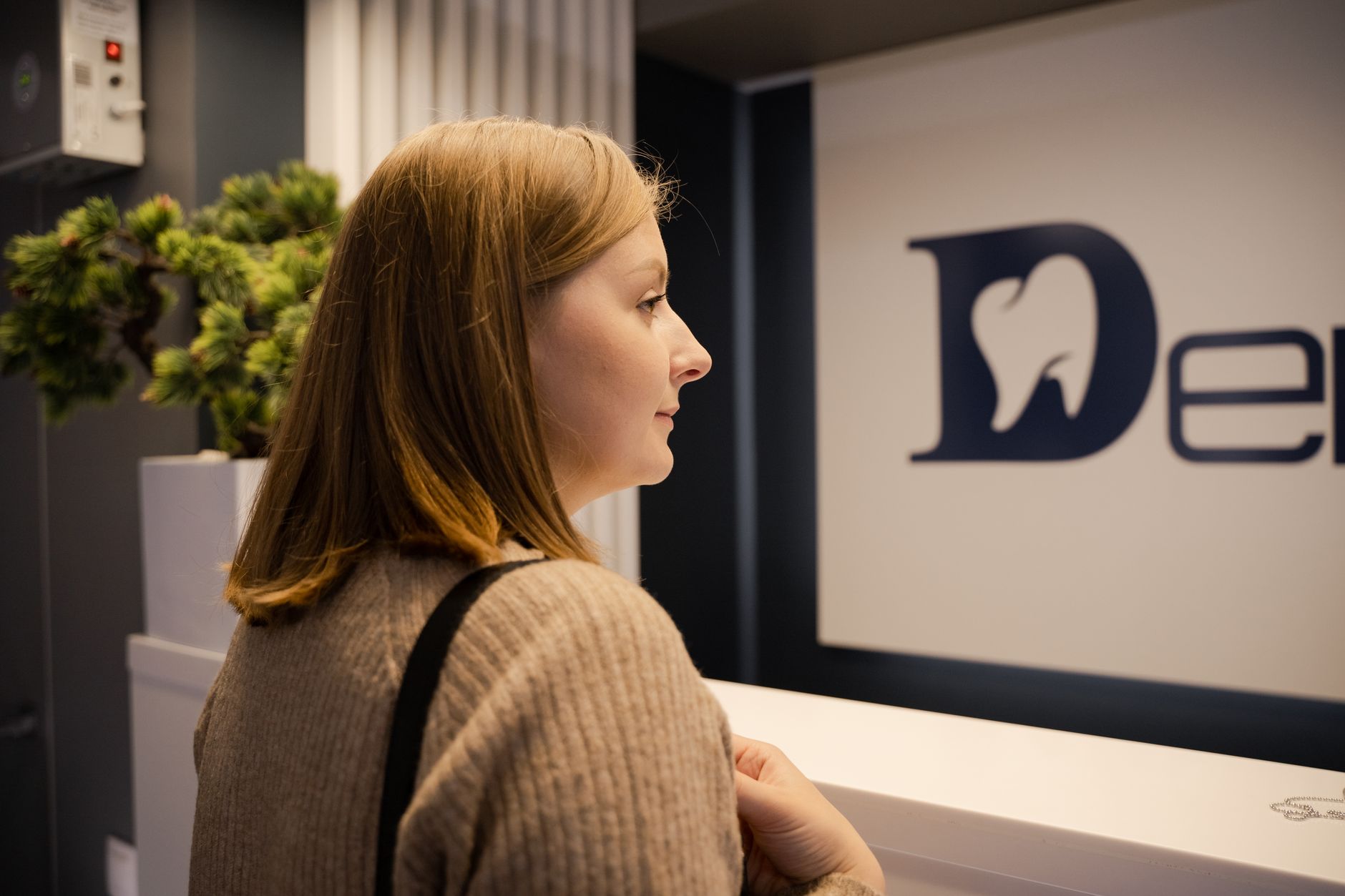
The first is direct billing (also called on‑the‑spot claiming). When you visit a general practitioner or specialist that is part of your insurer’s preferred network, you present your digital membership card and the clinic bills the insurer directly. You may only need to pay a gap amount — for example, if the consultation fee exceeds the Medicare Benefits Schedule fee the insurer covers. In 2026, most major clinics near university campuses now accept direct billing for Bupa and Medibank, which has made the experience much smoother, according to UNILINK’s global student support team, who regularly help new arrivals choose a plan with the widest network.
The second route is pay‑and‑claim. If you see a provider outside the direct‑billing network or need a prescription medicine, you pay the full amount upfront and then lodge a claim through the insurer’s app, online portal, or by email. Required documents include the official tax invoice or receipt showing the provider’s name, item number, date of service and amount paid, plus a referral letter if the service involved a specialist. Processing times are now as fast as 3–5 business days for electronic claims with Bupa and Medibank, while paper‑based submissions can take 10–15 working days.
Common rejections in Australia stem from three oversights: trying to claim during a waiting period (e.g., 12 months for pre‑existing conditions, 2 months for mental health services), submitting an invoice that misses the provider number, or seeking reimbursement for excluded treatments like cosmetic surgery and assisted reproductive services. UNILINK advisors often remind students that OSHC only covers services received within Australia — medical costs incurred during a holiday back home are not eligible.
United Kingdom: NHS Access and the Limited Reimbursement Landscape
Unlike Australia, the UK does not operate a reimbursement‑heavy system for most student healthcare. After paying the Immigration Health Surcharge (IHS) as part of the visa application, international students can register with a local General Practice (GP) surgery and receive National Health Service treatment without being charged at the point of use. GP consultations, accident and emergency visits, hospital stays and most diagnostic tests are free. The real comparison, therefore, shifts from “how to claim” to “what is covered and how to avoid unexpected costs.”
Reimbursement claims mainly arise when students use private healthcare or purchase private medical insurance for faster access to specialists. In these cases, the process mirrors a traditional insurance claim: pay the private provider, obtain a detailed invoice and a referral letter if applicable, then submit the documents to the private insurer. Processing typically takes 10–14 working days. The NHS itself almost never requires a claims process — the charge that most surprises students is the dental treatment co‑payment, which is not reimbursable.
The most frequent financial losses occur when a student fails to register with a GP, attends a walk‑in service that asks for an upfront fee, or mistakenly believes that pre‑existing conditions treated overseas are automatically covered. Students should also be aware that prescription charges in England (currently £9.90 per item) apply unless they qualify for an exemption, and those charges are not refundable. Maintaining a copy of the IHS reference number and GP registration letter is essential if any billing dispute arises.
United States: Navigating Complex University Health Plans
The US has the most complicated student health insurance landscape of the five countries. Most universities require international students to either enroll in the institution’s own Student Health Insurance Plan (SHIP) or purchase an equivalent policy that meets minimum criteria. These plans typically operate with a network of preferred providers, an annual deductible, co‑pays and an out‑of‑pocket maximum. Understanding these terms is crucial because the claims process almost always involves a review of how much you have already paid toward your deductible.
When you visit a healthcare provider, you show your insurance card; the provider’s billing department then submits a claim to the insurer on your behalf. You will later receive an Explanation of Benefits (EOB) showing what was charged, the insurer’s discount, how much was applied to your deductible, and your final responsibility. If you visit an out‑of‑network doctor, you may need to file the claim yourself and can expect to pay a higher share of the bill. Processing times range from 7 to 30 days, depending on whether the claim involves a pre‑authorisation step.
Required documents for a self‑submitted claim include the itemized medical bill (with CPT codes, provider tax ID and diagnosis), your insurance ID, and any referral or pre‑authorisation letter. Common rejection reasons include seeking treatment from an out‑of‑network provider without referral, failure to obtain prior authorisation for a planned procedure, and services deemed not medically necessary. Another pitfall is assuming that the university health centre is cost‑free — many SHIPs apply a co‑pay even for on‑campus visits, and missing that payment can trigger a bureaucratic follow‑up.
Canada: Provincial Plans and the Private Insurance Safety Net
In Canada, health insurance for international students depends on the province. British Columbia, Alberta, Saskatchewan and Manitoba extend their provincial Medical Services Plans (MSP) to international students with a valid study permit, usually after a short waiting period of up to three months. Ontario, Quebec and the Atlantic provinces generally require students to buy private insurance, either through the university or an external provider. This split means the claims procedure can look very Canadian or very American depending on where you study.
In provinces with public coverage, once you have your provincial health card, most medically necessary doctor visits and hospital services are free at the point of delivery — similar to the UK scenario. There is rarely a reimbursement claim because the system is publicly funded. However, services such as prescription drugs, dental care, physiotherapy and vision are often not covered, and students frequently rely on a supplementary private plan offered by the university. Claims for those extended services work like a standard insurance reimbursement: keep the pharmacy receipt or dental treatment invoice and submit it online. Processing typically takes 5–10 business days.
Common rejection reasons in the Canadian system include attempting to claim before the provincial waiting period is over, seeking coverage for a condition that is excluded under the pre‑existing condition clause of a private plan, or submitting a claim for a service that is considered non‑emergency while travelling outside the home province. International students who move between provinces — for example, starting a degree in Vancouver and transferring to Toronto — must immediately re‑apply for coverage, as provincial health cards are not transferable.
New Zealand: Mandatory Insurance and the Direct‑Billing Advantage
New Zealand’s Code of Practice requires most international students to hold an approved medical and travel insurance policy for the entire duration of their visa. Unlike Australia’s OSHC, which is tied to a student visa condition, New Zealand leaves the insurance requirements to education providers, but in practice almost every university insists on a policy that meets the standards of the Code. Insurers such as Southern Cross, Uni‑Care and StudentSafe dominate the market.
The claims process is designed around direct billing partnerships. If you visit a GP or specialist that is part of your insurer’s direct‑claim network, you present your policy details and the practice settles the bill directly. For prescriptions, minor procedures and non‑network visits, you pay upfront and submit a claim through the insurer’s app or website. The required documents mirror those needed in Australia: a detailed receipt, the provider’s name and practice number, and any referral correspondence. Processing times for online claims are around 5–7 working days, while mailed forms can take two to three weeks.
Typical rejections include making a claim for a pre‑existing condition that was not disclosed at the time of application, neglecting the 14‑ to 21‑day stand‑down period at the start of the policy, and seeking reimbursement for non‑urgent treatment received overseas during a semester break. Insurers also closely scrutinise claims related to adventure sports — an important factor for students drawn to New Zealand’s outdoor culture. UNILINK’s experience helping students with policy selection has shown that simply checking the excluded activities list before a weekend trip can save hundreds of dollars.
Top 5 Reasons Claims Get Rejected in Any Country — and How Prevention Pays Off
While each destination has specific rules, several rejection patterns recur across Australia, the UK, the US, Canada and New Zealand:

- Incomplete or non‑compliant receipts. A receipt that lacks the provider’s registration number, itemised service code, or date is almost certain to be rejected. Always check the document before leaving the clinic.
- Waiting period violations. Every insurance policy has a defined period during which certain benefits are not payable. Students often schedule mental health or specialist consultations too early, forgetting the 2‑month or longer waiting period.
- Services outside the policy scope. Cosmetic procedures, fertility treatments, pre‑existing conditions that haven’t been declared, and routine dental/optical care are frequently excluded. Ring the insurer’s helpline if you are unsure.
- Missing pre‑authorisation. In the US, Canada and some OSHC policies, planned procedures must be approved in advance. Skipping this step can nullify the entire claim.
- Geographic limits. Most domestic health plans do not cover overseas costs. If you fall ill while visiting family during the holidays, the expense typically comes out of your own pocket unless you have supplementary travel insurance.
A simple pre‑emptive routine — photograph every invoice, note the insurer’s waiting period calendar, and make a 5‑minute confirmation call before a specialist appointment — dramatically reduces the chance of a rejected claim. UNILINK’s student advisory team often builds a quick reference checklist for new arrivals to match their policy’s fine print with the local healthcare reality, helping students dodge these recurring traps.
FAQ
Can I use my OSHC policy from Australia when I visit another country? No. OSHC is designed to cover medical services received within Australia only. If you travel abroad, you will need separate travel insurance for any health costs you incur.
What should I do if my claim is rejected because of a missing document? Contact the insurer immediately and ask for the exact document required. Most insurers allow you to resubmit the claim within a set period (often 30 days) without having to start a completely new application.
Do I need to keep original paper receipts if I already submitted a digital copy? Yes. Keep all original invoices and medical reports for at least the duration of your policy. Insurers can ask for originals if an audit or review is triggered, and losing them can invalidate the reimbursement.
Is it faster to visit a provider that offers direct billing? Almost always. Direct billing eliminates the processing queue, and you avoid paying the full fee upfront. When choosing a student health plan, it is worth checking the size of the insurer’s direct‑billing network in your university’s city.
When does the waiting period clock start — on the date I buy the policy or the date I arrive? Generally, waiting periods begin from the day you activate the policy, which is usually the day you arrive in the country. Confirm the start date with your insurer, because some allow you to purchase coverage before travel and have it become active upon landing.
Key Takeaways for a Smooth Claims Experience
Comparing student health insurance claims in Australia, the UK, the US, Canada and New Zealand reveals that while the funding models differ dramatically — from Australia’s OSHC to the UK’s surcharge‑funded NHS — the principles of successful claiming are universal. Hold onto detailed receipts, check whether you need pre‑authorisation, know your waiting periods by heart, and stay within the geographic limits of your coverage. A few minutes of document checking at the clinic can prevent weeks of back‑and‑forth with an insurer. For anyone still deciding between policies or preparing to move, talking to a knowledgeable advisor at an organisation like UNILINK can help match a plan to your specific health needs and budget, so you can spend less time worrying about paperwork and more time focused on your studies.