International students arriving in Australia often assume their Overseas Student Health Cover (OSHC) works the same way in every state. In reality, analysing public hospital costs, ambulance services, and specialist referral differences across New South Wales, Victoria, and Queensland reveals gaps that can leave you hundreds—or even thousands—of dollars out of pocket. One student might pay nothing for an ambulance, while another in a neighbouring state receives a $1,000 bill for the same journey. Knowing these differences before you need care is the key to using medical resources wisely.
This guide breaks down how public hospital admission, emergency ambulance transport, and specialist outpatient visits actually work for OSHC holders in each major state. It also provides practical tips to help you minimise out-of-pocket expenses without compromising your health.
Public Hospital Costs for International Students: How NSW, VIC, and QLD Compare
Public hospital admission is the one area where OSHC provides relatively consistent protection across all states. If you are admitted as a public patient in any Australian public hospital, your OSHC will cover the cost of treatment in a shared ward, including doctor fees, nursing care, medications administered in hospital, and medically necessary tests. This applies whether you are in Sydney, Melbourne, Brisbane, Adelaide, or Perth.
However, the public hospital experience itself differs by state. In New South Wales and Victoria, major teaching hospitals in capital cities tend to have longer elective surgery waiting lists and busier emergency departments than those in regional areas. In Queensland, the public hospital network is more centralised around Brisbane and the Gold Coast, but access to certain specialist inpatient services can be faster because the state has invested heavily in hospital infrastructure in recent years.
The critical point for international students is that outpatient clinic visits at public hospitals are not always free and are not automatically covered by OSHC in the same way as inpatient care. If you see a specialist in a public hospital outpatient clinic, you may be charged a consultation fee, especially if the hospital classifies you as a private patient for that visit. Always confirm with the hospital’s billing department and your OSHC provider whether the appointment will be bulk-billed or if a gap payment applies.
Ambulance Services: The Price Gap Between States That Catches Students Off Guard
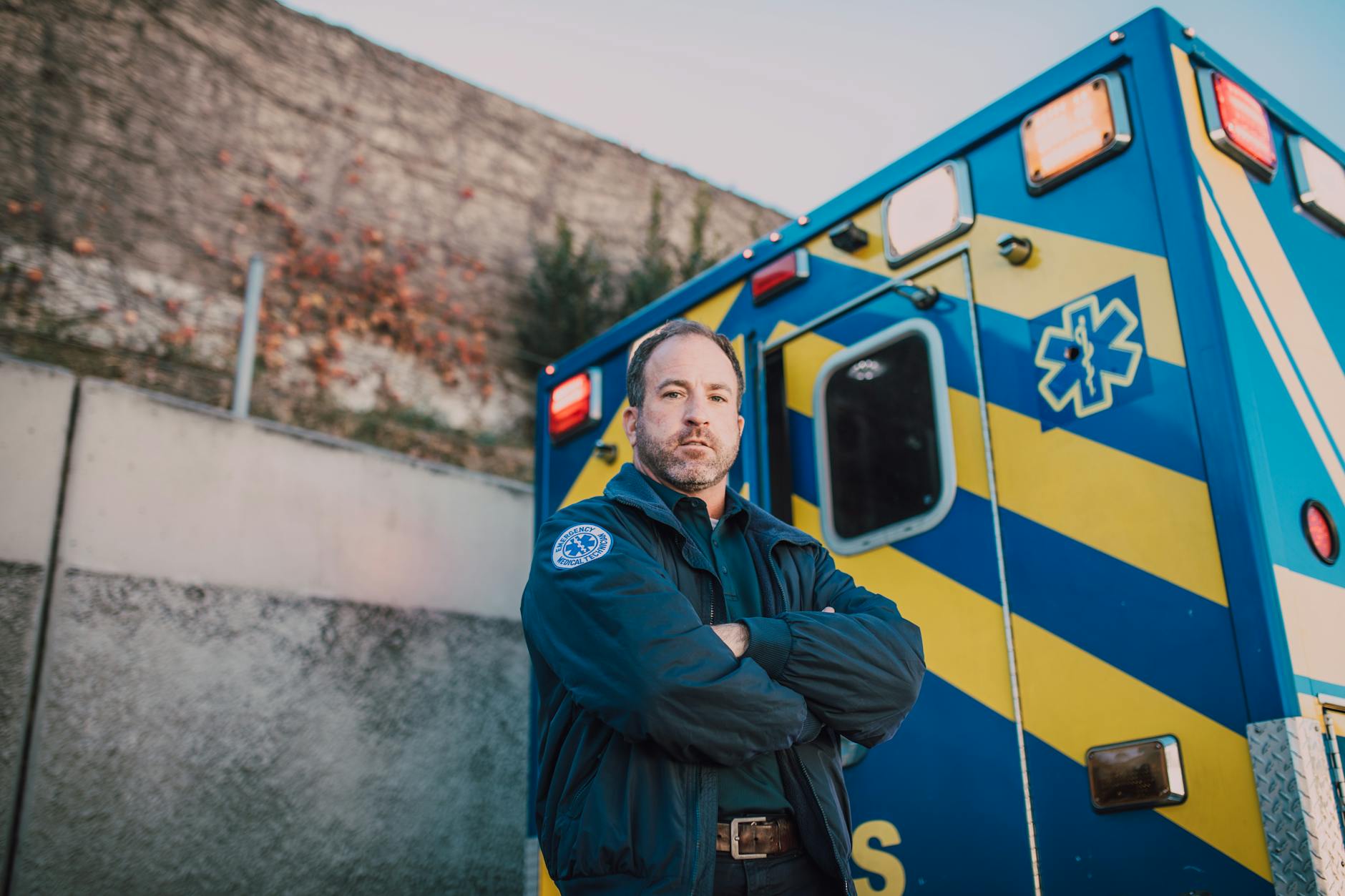
Ambulance coverage is where state differences hit hardest. Unlike public hospital admission, emergency ambulance transport is not universally free at the point of care, and OSHC policies often exclude it entirely or cap it.
New South Wales: NSW Ambulance charges fee-for-service. As of 2024, the call-out fee is $407 plus $3.67 per kilometre beyond the first 10 km. A 30 km trip from a university campus to a major hospital could cost over $480. An inter-hospital transfer can easily exceed $1,000. Most standard OSHC policies do not cover ambulance costs in NSW unless you have purchased a top-tier extras package that includes ambulance cover. Always check your policy document for the phrase “emergency ambulance”.
Victoria: Ambulance Victoria operates on a subscription model. Without an annual Ambulance Victoria membership (about $52 for a single person per year), a single emergency road transport can cost $1,300 or more. OSHC providers sometimes include limited ambulance cover for Victoria, but it is common for the benefit to be capped at a few hundred dollars. Many international students in Victoria take out a separate Ambulance Victoria membership to eliminate the risk.
Queensland: The Queensland Government funds ambulance services for all residents and visitors, regardless of visa status. If you need an emergency ambulance anywhere in Queensland, you will not receive a bill. This is the most generous arrangement in the country and a significant financial advantage for international students studying in Brisbane, Cairns, or the Gold Coast. Note, however, that non-emergency patient transport between hospitals or to medical appointments may still attract charges.
South Australia: SA Ambulance Service provides free emergency ambulance transport for people who have a Medicare card or an equivalent reciprocal arrangement. Some OSHC policies extend this benefit to their members, but you must confirm directly with your insurer.
Western Australia: Emergency ambulance service in WA is not free, and OSHC cover varies widely. Most providers will reimburse ambulance costs up to a fixed limit only if the treatment is deemed medically necessary and you have an extras policy.
Across all states, the safe rule is this: never assume your OSHC covers ambulances. Read your policy, and if ambulance is not explicitly listed as a covered service, purchase a standalone ambulance subscription or an extras add-on immediately.
Specialist Referrals and Outpatient Costs: What You Pay and How to Save
In Australia, you cannot book an appointment with a specialist directly and expect OSHC to pay the bill. You must first see a general practitioner (GP) and obtain a referral. The GP’s fee itself can range from fully bulk-billed (no charge to you) to a gap of $30–$60 depending on the clinic and state. University health services and bulk-billing medical centres in suburbs with large student populations are your best bet for a no-cost GP visit.
Once referred, the cost picture changes sharply by state and by whether you see the specialist as a public or private patient.
As a public patient in a public hospital outpatient clinic, the consultation may be bulk-billed under the state health system, meaning you pay nothing out of pocket. However, waiting times for non-urgent specialist appointments can stretch to 6–12 months in NSW and Victoria. Queensland’s outpatient waiting lists are somewhat shorter on average but still significant.
If you choose a private specialist to skip the queue, the fee is typically $150–$400 for an initial consultation. OSHC will usually rebate only the Medicare Benefits Schedule (MBS) amount, which is around $75–$130 for a standard specialist attendance. That leaves a gap of $75–$270 or more that you must pay yourself. In cities with high specialist demand such as Sydney’s CBD or Melbourne’s inner east, gap fees can be steeper than in Brisbane.
To use medical resources wisely, international students should first ask the referring GP whether the condition can be managed in a public hospital outpatient clinic and, if so, whether the wait time is clinically acceptable. If you need to go private, call the specialist’s rooms before your appointment and ask for the exact out-of-pocket cost after OSHC rebate. Some OSHC providers offer a pre-approval process that guarantees a higher benefit.
Using Your OSHC Wisely: Emergency Room vs GP vs Healthdirect
One of the most common mistakes international students make is heading straight to the emergency department for health problems that could be handled by a GP or telehealth service. While public emergency room visits are free for OSHC holders when admitted as public patients, you can lose hours or even a full day waiting if your condition is triaged as low priority.
A smarter approach:
- Call Healthdirect (1800 022 222) before you leave home. This free 24-hour nurse triage line, available in all states, tells you whether you need to go to an ED, see a GP, or can manage at home.
- Use a bulk-billing GP during business hours or a home-visit doctor service after hours. Many after-hours GP services will come to your accommodation and bill OSHC directly.
- Virtual emergency departments have been introduced in parts of NSW and Victoria. If you are unsure whether you need in-person care, these services let you video-call an emergency doctor for free.
The key principle is to match the urgency of your health issue to the right level of care. This saves you time, reduces pressure on hospitals, and avoids the risk of being charged if the ED visit is classified as non-emergency and partially billed.
State-Specific Tips to Maximise Your Cover
Each state has unique features that can help international students save money if they know about them.
New South Wales: Enrol in bulk-billing GP clinics early, especially if you are in Sydney’s inner suburbs where bulk-billing rates are falling. Check whether your OSHC offers an ambulance-only cover add-on, which costs less than a full extras policy. Download the Healthdirect app to quickly find clinics and emergency wait times.
Victoria: Purchase an Ambulance Victoria annual membership ($52–$104 for family) on day one. It removes all ambulance transport charges for the year. Melbourne’s university health clinics are generally high quality and bulk-bill, so register before you feel unwell. The Royal Melbourne Hospital and Alfred Health run interpreter services that can help non-native English speakers navigate outpatient referrals.
Queensland: While emergency ambulance is free, non-emergency patient transport is not. If you need to attend a scheduled hospital appointment and cannot use public transport, ask the hospital for their patient transport assistance program before booking a private vehicle. Check if your OSHC extras include physiotherapy and psychology, as Queensland’s public allied health outpatient clinics can also have long waits.
South Australia: Confirm with your OSHC provider that emergency ambulance is covered at the SA Ambulance free rate for Medicare-equivalent holders. If it is not, the cost can approach $1,000 per trip. Adelaide’s Royal Adelaide Hospital has an international student liaison service that can help with billing confusion.
Western Australia: The Western Australian Department of Health charges non-residents for some outpatient services that are free in other states. Before attending any specialist outpatient appointment at a WA public hospital, phone the hospital billing department to ask whether a charge will apply to OSHC holders.
Common Pitfalls That Lead to Surprise Bills—and How to Avoid Them
Even students who read their OSHC policy can get caught out by a few predictable traps.
Being treated as a private patient in a public hospital: If you sign a form agreeing to be treated as a private patient—sometimes presented as a way to get a single room—you waive your right to full OSHC coverage and may face hospital accommodation charges of $300–$600 per night. Always state clearly that you wish to be treated as a public patient.
Ambulance without cover: This emerges as the number one financial shock in student forums year after year. A single emergency call in NSW or Victoria without cover can set you back over $1,000. The solution is simple: buy standalone ambulance cover the week you arrive.
Specialist visits without a referral: OSHC will not pay any benefit for a specialist if you do not hold a valid GP referral. Referrals are usually valid for 12 months from a GP. If yours has expired, you will need a new one before your next specialist appointment.
Pre-existing conditions and waiting periods: OSHC imposes a 12-month waiting period for pre-existing conditions (PECs) and pregnancy-related care. If you arrive in Australia with a known medical condition and need immediate specialist care, you may have to pay the full cost until the waiting period expires. Some education providers offer bridging health plans for this scenario.
Failure to obtain pre-approval: For planned hospital admissions, psychiatrists’ consultations, or certain diagnostic procedures, OSHC providers often require pre-approval. Skipping this step can result in an expensive denied claim, even if the treatment itself is covered.
FAQ
Do I need to pay anything for a public hospital admission if I have OSHC? No, if you are admitted as a public patient. OSHC will cover the cost of your shared-ward accommodation, doctor fees, and in-hospital medications. You may only pay if you choose to be treated as a private patient or if you require a service not listed on the Medicare Benefits Schedule.
Is ambulance free for international students in Queensland? Yes. The Queensland Government funds emergency ambulance services for everyone physically in the state, regardless of visa status. You will not be charged for an emergency ambulance call-out anywhere in QLD.
How much does a specialist visit cost with OSHC? After a GP referral, an initial private specialist consultation typically costs $150–$400. OSHC will normally rebate the MBS schedule fee, leaving you with an out-of-pocket gap of $75–$270. The exact amount depends on the specialist’s fees and your OSHC policy’s benefit limit.
Can I go to the emergency department for free? Yes, emergency department visits in public hospitals are free for OSHC holders if you receive treatment as a public patient. However, non-urgent visits may involve very long wait times. Always call Healthdirect first if you are not sure you need emergency care.
Does OSHC cover specialist referrals in all Australian states? Yes, the referral process—GP to specialist—is the same nationally and OSHC provides the same MBS-based rebates regardless of state. What varies is the availability of bulk-billed public outpatient clinics, with waiting times noticeably shorter in Queensland than in NSW or Victoria.
What should I do if I receive a medical bill I was not expecting? Contact your OSHC insurer immediately and ask for an explanation of benefits. If the bill is from a hospital blaming an “administrative error” (common when patients are wrongly classified as private), ask the hospital billing team to re-code the admission as a public patient. University student support services can often assist with billing disputes.
Making the Most of Your OSHC Across State Lines
Analysing public hospital costs, ambulance services, and specialist referral differences across NSW, Victoria, and Queensland makes one thing clear: your OSHC policy is a safety net, but it does not insulate you from all costs if you do not understand state-specific rules. International students who take time early in the semester to review their policy, buy ambulance cover where it is not included, and register with a bulk-billing GP are far less likely to face surprise bills.
Whenever you need care, remember the chain of action: contact Healthdirect or your GP first, confirm your status as a public patient, and never assume a service is free just because it takes place in a public hospital. By using medical resources wisely you protect both your health and your budget throughout your time in Australia.