Australia’s Overseas Student Health Cover (OSHC) is a mandatory requirement under Student Visa (subclass 500) condition 8501, as enforced by the Department of Home Affairs. In 2025 alone, over 780,000 international student enrolments were recorded across the higher education and VET sectors, according to Australian Government Department of Education data. While hospital and medical coverage forms the core of every OSHC policy, the ancillary or extras benefits—specifically dental and optical—are often the most frequently used services by students. Medibank, as one of Australia’s largest health insurers, holds a significant share of the OSHC market and offers a distinct structure for these benefits. This review dissects the 2026 Medibank OSHC dental and optical provisions, comparing them clause-by-clause with Allianz Care Australia, Bupa, and nib to identify where value sits and where gaps emerge.
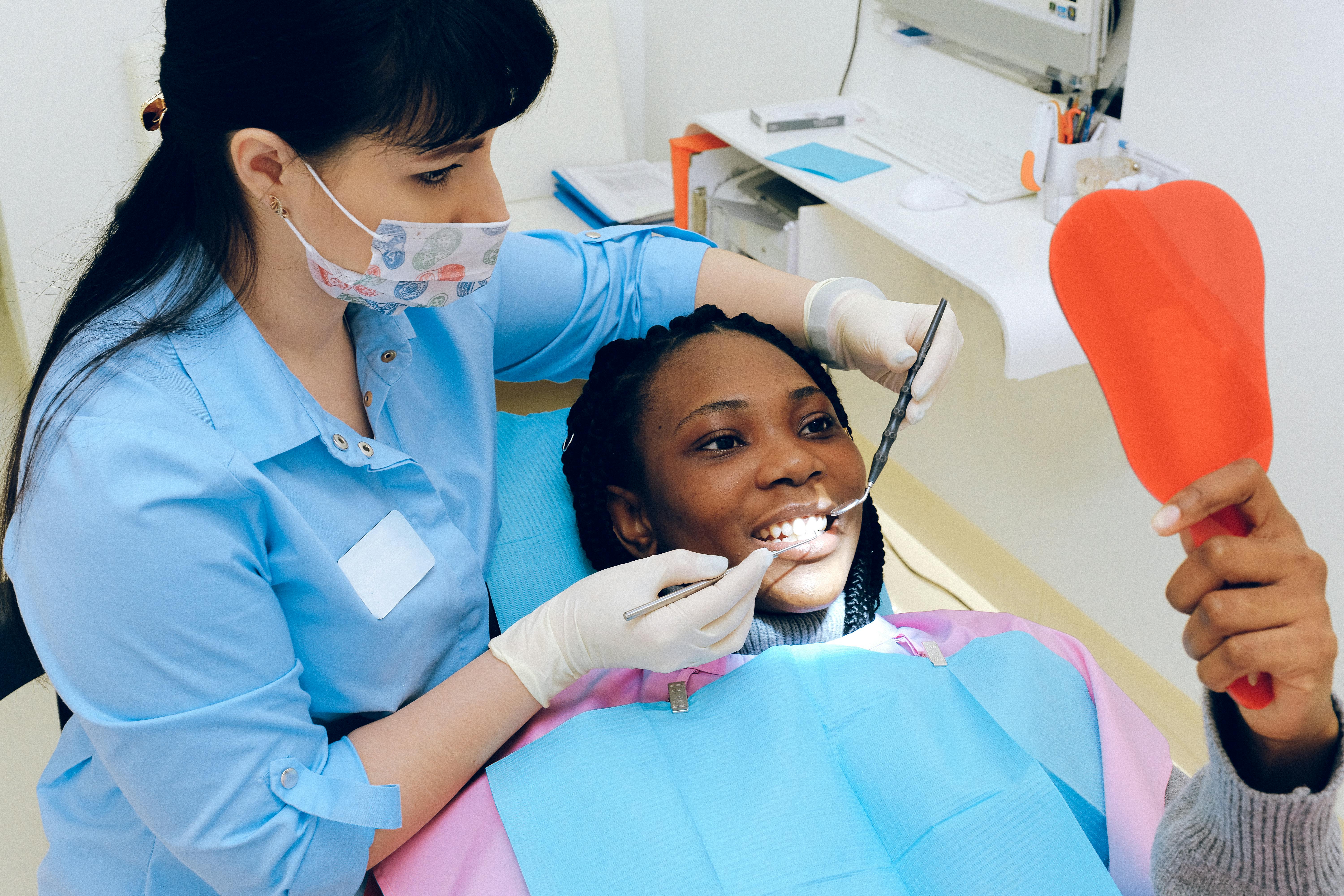
Medibank OSHC Core Coverage vs. Extras Structure
Medibank OSHC is designed to meet the minimum legislative requirements set by the Deed for Overseas Student Health Cover, which mandates cover for medical services (MBS fees), public hospital shared ward accommodation, surgical prostheses, and prescription medicines capped at $50 per pharmaceutical item with an annual limit. Dental and optical services are not included in the standard Medibank OSHC policy. They are only accessible if the student purchases Medibank’s separate OSHC Extras package. This structural separation is critical: without OSHC Extras, a student has zero cover for a dental check-up, a filling, or a pair of prescription glasses. The standalone OSHC policy will only pay benefits for dental surgery deemed medically necessary and performed in a hospital setting, such as wisdom teeth removal under general anaesthetic, where the hospital admission and MBS surgical fee components are covered, but the prosthetic dental item itself may attract a gap. For optical, no benefit is payable under the core OSHC policy.
Medibank OSHC Extras Dental Benefits: Annual Limits and Sub-limits
Under the 2026 Medibank OSHC Extras schedule, dental benefits are split into General Dental and Major Dental categories. General Dental carries a combined annual limit of $400 per person. This sub-limit covers diagnostic examinations (012, 014, 015), scale and clean (114), simple extractions (311), and direct restorations (fillings, 521–532). The benefit paid is a fixed dollar amount per item, not a percentage of the dentist’s charge. For a periodic oral examination (item 012), Medibank pays approximately $30–$35, while the average metropolitan private dentist fee in 2026 exceeds $65, according to the Australian Dental Association’s annual fee survey. This creates a gap payment of roughly 50% for a basic check-up. Major Dental includes complex extractions, root canal therapy, and crowns, with a separate annual limit of $400 per person. However, a 12-month waiting period applies to Major Dental, and the benefit per item is similarly capped. For a single crown (item 615), Medibank’s benefit is around $180, against a typical private fee of $1,200–$1,600, leaving the student with an out-of-pocket cost exceeding $1,000.
Medibank OSHC Extras Optical Benefits: Glasses and Contact Lenses
Optical cover under Medibank OSHC Extras provides a single combined annual limit of $200 per person. This limit applies to prescription spectacle lenses, frames, and contact lenses purchased from a registered optical provider. The benefit is structured as a reimbursement of 100% of the charge up to the $200 annual maximum. If a student purchases a pair of glasses costing $350, Medibank will pay $200, and the student pays the remaining $150. There is no separate sub-limit for frames versus lenses; the $200 cap encompasses the entire optical purchase. Contact lens purchases are treated identically. A 6-month waiting period applies before any optical benefit can be claimed. Notably, no benefit is payable for non-prescription sunglasses, safety glasses, or purely cosmetic contact lenses. The $200 annual limit resets each calendar year. For students with high prescriptions requiring thinner, high-index lenses that often cost $300+ for the lenses alone, the Medibank benefit covers only a fraction of the total expense.
Waiting Periods and Claiming Process for Dental and Optical
Medibank enforces specific waiting periods for OSHC Extras services. General Dental carries a 2-month waiting period from the policy start date or the date the Extras cover is added. Major Dental has a 12-month waiting period. Optical is subject to a 6-month waiting period. These waiting periods are strictly applied, and pre-existing conditions are not excluded once the waiting period is served, unlike some domestic health insurance policies. Claims can be lodged via the My Medibank app, the online member portal, or on-the-spot electronic claiming through a Medibank Members’ Choice provider. Members’ Choice dentists and optometrists have agreements with Medibank that often result in a slightly higher benefit or a reduced gap, but the annual limits remain unchanged. For optical purchases, students should ensure the provider can process a Medibank electronic claim at the point of sale to avoid out-of-pocket reimbursement delays. Receipts and itemised invoices with provider numbers and item codes are mandatory for manual claims.
Comparison: Medibank vs. Allianz Care Australia OSHC Dental and Optical
Allianz Care Australia takes a fundamentally different approach to ancillary services. While Allianz’s standard OSHC policy also excludes dental and optical, their optional OSHC Extras package offers a higher General Dental annual limit of $600 compared to Medibank’s $400. More critically, Allianz structures its optical benefit as a $300 annual limit, exceeding Medibank’s $200. Allianz’s Major Dental sub-limit is $500, also higher than Medibank’s $400. Waiting periods are comparable: 2 months for General Dental, 12 months for Major Dental, and 6 months for Optical. However, Allianz includes a preventive dental benefit that pays 100% of the charge for one scale and clean per year up to the General Dental limit, whereas Medibank pays a fixed dollar amount that often leaves a gap. For a student prioritising dental and optical value, Allianz’s higher limits provide a demonstrably superior financial safety net, reducing out-of-pocket exposure by approximately 33–50% for equivalent services, based on 2026 benefit schedules.
Comparison: Medibank vs. Bupa OSHC Dental and Optical
Bupa’s OSHC Extras product, known as Bupa OSHC Advantage, presents a mixed competitive profile. Bupa’s General Dental limit is $500, positioned between Medibank and Allianz. Major Dental is also $500. The optical benefit under Bupa is $200 per year, matching Medibank exactly. Where Bupa diverges is in its network strategy. Bupa operates a Members First network of dental and optical providers who agree to charge no more than Bupa’s set benefit limits for specific items, effectively eliminating or minimising gaps on those services. Medibank’s Members’ Choice network offers similar but less comprehensive gap-free arrangements. For a student willing to strictly use Bupa’s network providers, the effective value of the $500 General Dental limit can be higher than Medibank’s $400 limit with persistent gaps. However, for optical, the $200 limit parity means no network advantage can overcome the hard cap, leaving both insurers at the same reimbursement ceiling. Bupa also imposes a 12-month waiting period on Major Dental and 6 months on Optical, aligning with Medibank.
Comparison: Medibank vs. nib OSHC Dental and Optical
nib markets its OSHC Extras cover under a tiered structure, but the entry-level extras package most comparable to Medibank’s offering includes a General Dental annual limit of $500 and a Major Dental limit of $500. Optical cover is set at $250 per year, which is $50 higher than Medibank’s $200. nib’s waiting periods are identical to Medibank: 2 months General Dental, 12 months Major Dental, 6 months Optical. nib differentiates itself through a flexible extras model where a portion of the annual limit can be allocated across different service categories at the member’s discretion, up to a combined cap. This means a student who needs extensive dental work but no optical services in a given year could potentially shift optical benefits toward dental, subject to nib’s combined limit rules. Medibank offers no such flexibility; the $400 dental and $200 optical limits are siloed and cannot be pooled. For a student with predictable, heavy dental needs and minimal optical requirements, nib’s flexible structure may deliver a higher effective reimbursement than Medibank’s rigid caps.
Strategic Considerations for Dental and Optical Cover in 2026
The data clearly indicates that Medibank OSHC Extras provides baseline ancillary cover that meets common student needs but falls short of competitor limits in both dental and optical categories. The $400 General Dental limit is the lowest among the four major insurers reviewed, and the fixed-dollar benefit structure frequently results in gap payments exceeding 40–50% for routine services. The $200 optical limit is tied for the lowest with Bupa, and the absence of any flexibility to pool unused benefits across categories further restricts value. Students who anticipate regular dental maintenance or who require corrective eyewear should rigorously compare the total annual premium for Medibank OSHC plus Extras against Allianz or nib equivalents, factoring in the higher claimable limits of competitors. The premium difference is often marginal—typically within $50–$100 annually—while the difference in claimable benefits can exceed $200–$300 per year. For dental-intensive years, the gap widens further.
FAQ
Q1: Does standard Medibank OSHC cover dental check-ups or fillings?
No. Standard Medibank OSHC excludes all general dental services. You must purchase the optional OSHC Extras package, which provides a $400 annual limit for General Dental. Without Extras, you pay 100% of the dentist’s fee. Hospital-based dental surgery may be partially covered under the core policy, but only the hospital and medical components, not the dental prosthetic item itself.
Q2: What is the waiting period for optical benefits under Medibank OSHC Extras?
A 6-month waiting period applies to optical benefits. This means you cannot claim for prescription glasses or contact lenses until you have held the OSHC Extras cover for at least 6 continuous months. The annual optical limit is $200 per person, and it resets each calendar year on January 1.
Q3: Can I claim dental and optical benefits in the same year with Medibank OSHC Extras?
Yes. The $400 General Dental limit, $400 Major Dental limit, and $200 Optical limit are separate annual sub-limits. You can claim benefits from all three categories within the same calendar year, provided you have served the respective waiting periods (2 months General Dental, 12 months Major Dental, 6 months Optical).
Q4: How does Medibank’s optical benefit compare to Allianz Care Australia for 2026?
Medibank offers a $200 annual optical limit. Allianz Care Australia OSHC Extras provides a $300 annual optical limit. Both apply a 6-month waiting period. Allianz’s higher cap means $100 more in claimable benefits per year for prescription eyewear, making it a stronger option for students who wear glasses or contact lenses.
参考资料
- Australian Government Department of Home Affairs 2026 Student Visa (subclass 500) Condition 8501
- Medibank Private Limited 2026 OSHC Product Disclosure Statement and Extras Guide
- Allianz Care Australia 2026 OSHC Policy Document and Extras Benefit Summary
- Bupa HI Pty Ltd 2026 OSHC Advantage Product Guide
- nib health funds limited 2026 OSHC Extras Cover Summary
- Australian Dental Association 2026 Annual Fee Survey and Metropolitan Fee Benchmarks