“Diseases, unfortunately, do not sleep.” That blunt but powerful statement from Singapore’s Communicable Diseases Agency (CDA) is more than a slogan—it’s a wake-up call for governments, health systems, and anyone who crosses borders regularly. In 2026, the CDA is accelerating the use of artificial intelligence to detect, track, and neutralise infectious threats before they become full-blown outbreaks. For the growing population of international students—thousands of whom hold Overseas Student Health Cover (OSHC) in countries like Australia—this shift redefines what it means to stay healthy while studying abroad. This article unpacks the CDA’s AI strategy, explains why the “diseases do not sleep” mindset matters deeply for mobile students, and shows how robust health cover like OSHC fits into the bigger picture.
What Is Singapore’s CDA and Why It Matters for Global Health in 2026
The Communicable Diseases Agency (CDA) was established by Singapore’s Ministry of Health to serve as a dedicated national body for infectious disease preparedness and response. Since its inception, the agency has consolidated functions that were previously scattered across multiple public health units—surveillance, contact tracing, laboratory diagnostics, and risk communication. In 2026, the CDA is doubling down on its AI-first philosophy, aiming to make Singapore one of the most outbreak-resilient nations in the world.
What sets the CDA apart is its connectivity. It links real-time hospital data, travel patterns, environmental sampling, and genomic sequencing into a single analytical engine. For international students, this matters because Singapore is a major transit hub. An outbreak detected early in Southeast Asia directly affects flight routes, quarantine rules, and university campus protocols across Australia, the UK, and North America. The CDA’s mantra “Diseases, unfortunately, do not sleep” reminds everyone that pathogens don’t respect academic calendars, and that health systems must operate 24/7—just like the students who travel through their airports.
AI at the Frontline: How CDA Uses Technology to Stop Outbreaks Before They Spread
The CDA’s AI architecture operates on three interconnected layers: early warning, rapid diagnosis, and targeted intervention.
Early warning relies on natural language processing models that scan clinical notes, emergency department logs, and even global news reports in multiple languages. When a cluster of respiratory symptoms or unusual fevers starts trending in a specific district, the system flags it within minutes—often days before traditional lab confirmation. Rapid diagnosis deploys AI-assisted genomic analysis. When a novel pathogen emerges, machine learning algorithms compare its genetic fingerprint against thousands of known strains, suggesting likely origins and transmission paths. Targeted intervention then uses predictive modelling to simulate how the disease might spread through public transport networks, schools, and dormitories.
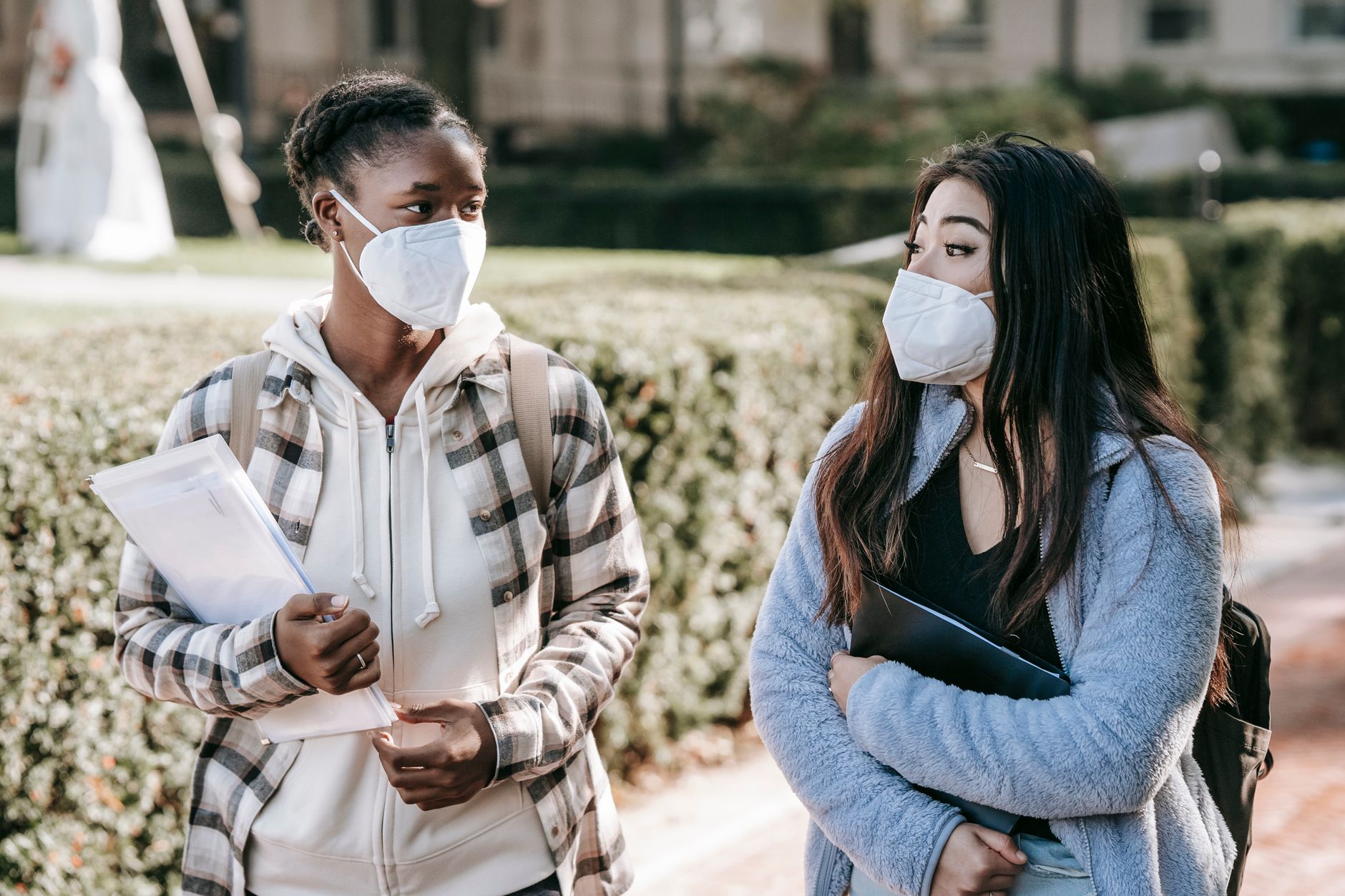
For a student living in shared accommodation, this granular modelling is deeply relevant. Dormitories, student halls, and shared apartments are classic high-contact environments. The CDA’s simulations can inform real-time recommendations such as temporary mask mandates in common areas or pop-up vaccination drives on campus. In essence, the system doesn’t just fight the last war—it tries to anticipate the next one, proving that when it comes to infectious diseases, a proactive algorithm beats a reactive lockdown.
“Diseases, Unfortunately, Do Not Sleep”: The Human Reality Behind the CDA’s Mantra
Why has the phrase “Diseases, unfortunately, do not sleep” become so central to the CDA’s identity? Because it captures the asymmetry between a pathogen’s persistence and human forgetfulness. The world rapidly moved on after COVID-19, but influenza, tuberculosis, dengue, and novel coronaviruses kept evolving. For international students, the stakes are uniquely high. Many travel from countries with different endemic disease burdens, possess varying levels of routine vaccination, and face the stress of adapting to a new healthcare system.
Consider a student arriving in Melbourne for the first semester. They may have received childhood immunisations according to their home country’s schedule, but could be susceptible to strains of meningococcal disease circulating in Australian universities. Or they might ignore a mild fever, thinking it’s jet lag, while unknowingly incubating a transmissible infection in a crowded lecture hall. The CDA’s insight—“diseases do not sleep”—should echo in every student’s mind. Health vigilance cannot be postponed until mid-term break. It needs to start the moment they pack their bags.
This is also where OSHC comes into the picture. Australia’s Overseas Student Health Cover is not merely a visa requirement; it is the financial backbone that allows students to visit a GP, get tested, or access hospital care without facing catastrophic bills. Knowing that a public health agency like the CDA is using AI to sound alarms early may give students confidence, but it doesn’t replace the need for personal insurance. The early warning system only works if the person it warns can act on it affordably.
OSHC and Infectious Diseases: What Every International Student Needs to Know
International students in Australia are familiar with the term OSHC, but many don’t fully understand what it covers when they fall ill with an infectious disease. Standard OSHC policies generally cover visits to a doctor (GP), diagnostic tests such as blood work and swabs, hospital accommodation for in-patient care, and a range of prescription medications. If a student contracts a serious infection—say pneumonia, severe influenza, or a complicated case of dengue—their OSHC would typically cover hospital admission and necessary treatments.
However, there are important nuances. Pre-existing conditions may be subject to waiting periods, and some policies limit coverage for treatments that are considered “experimental.” During public health emergencies, governments sometimes fund specific interventions directly, but routine care for communicable diseases still flows through the health insurance framework. The CDA’s statement “Diseases, unfortunately, do not sleep” applies here too: infectious conditions don’t wait for a 12-month policy exclusion to expire, which is why choosing a comprehensive OSHC plan from day one matters.
Students should also check whether their OSHC includes telehealth services. With AI-assisted diagnostics becoming more common, a GP might use a decision-support tool trained on data from systems much like the CDA’s to decide whether a student’s symptoms warrant an in-person visit. Telehealth access can mean faster advice and fewer hours spent in crowded waiting rooms during an outbreak.
Staying Healthy in the Era of AI Surveillance: Practical Steps for Students
While agencies like the CDA handle population-wide monitoring, individual students can build their own micro-level protections. Start with digital health literacy. Download the official public health app of your host country (for example, Australia’s HealthDirect app) and turn on location-based alerts if available. These apps increasingly incorporate AI-powered symptom checkers that can guide you on whether your cough warrants a GP appointment.
Keep a personal health record accessible on your phone: vaccination dates, blood type, known allergies, and a list of any regular medications. When the CDA’s AI detects an outbreak and public health authorities issue a rapid advisory, you’ll be able to cross-check your own status immediately. For instance, if a meningitis alert hits a specific university campus, a student who has already documented their meningococcal vaccination can breathe easier or seek a booster quickly.
Environmental awareness also counts. High-density spaces like libraries, gyms, and on-campus cafeterias are mixing vessels for respiratory pathogens. Simple habits—carrying hand sanitiser, wearing a mask when feeling unwell, and respecting local public health signage—complement the high-tech surveillance that CDA-style systems provide. Remember, the message “Diseases, unfortunately, do not sleep” isn’t meant to scare people; it’s meant to remind them that prevention is a continuous, low-intensity effort rather than a one-time panic.
Beyond Singapore: Why Every International Student Should Care About Public Health AI
The innovations coming out of Singapore’s CDA are part of a broader global trend. The World Health Organization has launched initiatives like the Hub for Pandemic and Epidemic Intelligence in Berlin, and many countries are weaving AI into their national health security architectures. For students who plan to study across multiple countries—a semester in Australia, a summer programme in Asia, a research placement in Europe—these systems collectively form a safety net.
Yet the net has gaps. AI models are only as good as the data they receive. Under-resourced health systems may not feed real-time information into global monitoring platforms, leaving blind spots. A student travelling to a region with limited surveillance could be exposed to a pathogen that no AI model predicted. This is precisely why “Diseases, unfortunately, do not sleep” should resonate so strongly with the internationally mobile. A single blind spot can transform into a full-blown health crisis for an unprepared traveller.
International health insurance policies, including OSHC, are beginning to notice this terrain. Some insurers are exploring partnerships with digital health platforms that tap into AI-driven risk assessments. In the future, a student might receive a notification through their insurance app: “CDA-style surveillance has detected rising influenza activity in your study city; you can get a free flu shot at this nearby pharmacy.” This fusion of public health AI and personal insurance is not yet mainstream, but it’s the logical next step—and it’s exactly the kind of development that students should welcome and demand.
FAQ
What does the CDA mean by “Diseases, unfortunately, do not sleep”?
The phrase emphasises that infectious diseases constantly evolve and circulate, even when the public is not paying attention. The CDA uses it to highlight the need for round-the-clock preparedness and surveillance.
How is Singapore’s CDA using AI to fight infectious diseases?
The CDA uses natural language processing to scan clinical data, AI-assisted genomic analysis for rapid pathogen identification, and predictive modelling to simulate outbreak spread. This allows for faster responses to emerging threats.
Does OSHC cover treatment for infectious diseases?
Yes, standard OSHC policies in Australia cover most medically necessary treatments for infectious diseases, including GP visits, hospital stays, and prescription medicines. Students should review their policy for any specific exclusions or waiting periods.
Why should international students pay attention to public health AI systems?
Because students are highly mobile and live in communal settings, making them vulnerable to outbreaks. AI-powered early warnings can inform timely personal health decisions, but only if students have insurance that enables them to act on those warnings.
Is the CDA’s AI system relevant outside Singapore?
Absolutely. Singapore is a global travel hub, and the CDA collaborates with international health bodies. Its AI-driven alerts can influence travel advisories and campus health protocols far beyond the city-state.
What can I do to protect myself as an international student?
Maintain up-to-date vaccinations, keep a personal health record, use official health apps in your host country, and ensure your OSHC or equivalent insurance is active from the day you arrive. Small daily habits, like hand hygiene, also make a significant difference.
Conclusion
“Diseases, unfortunately, do not sleep” is not just a memorable line from Singapore’s CDA—it’s a principle that should shape how every international student approaches health and insurance. The CDA’s 2026 AI-powered fight against infectious diseases shows that technology can give us earlier warnings and sharper tools, but the ultimate responsibility still rests with individuals. For students living thousands of miles from home, a solid OSHC policy is the difference between a manageable health scare and a financial and physical crisis. As AI makes the world’s disease surveillance smarter, make sure your personal safety net stays just as intelligent.