China’s biotech sector is experiencing a historic moment. The National Medical Products Administration (NMPA), China’s drug regulator, has cleared an unprecedented wave of home-grown innovative medicines, marking a distinct shift from the country’s earlier reputation for producing only generic drugs. For international students and global citizens covered by Overseas Student Health Cover (OSHC) and other international health insurance plans, these breakthroughs are not distant headlines. They represent faster access to cutting-edge therapies, potential cost savings, and a rebalancing of the global pharmaceutical landscape. China’s drug regulator clears wave of home-grown innovative medicines amid biotech boom, and this movement is reshaping how we think about treatment options for cancer, autoimmune diseases, and rare conditions.
What Is Driving the Approval Surge of Innovative Medicines in China?
The recent spike in NMPA approvals is no accident. A confluence of regulatory reform, talent return, and venture capital investment has ignited the biotech boom. Starting with the 2015 drug regulatory reform, China overhauled its clinical trial approval process, introduced expedited pathways, and aligned technical guidelines with ICH standards. The result is a regulatory engine that can now evaluate and clear home-grown innovative medicines at a pace comparable to the US FDA or EMA.
For international students, this means many therapies undergoing clinical trials in China are simultaneously being filed for global approvals. If a student covered by OSHC falls ill and needs treatment in Australia or elsewhere, the therapies developed under these rigorous frameworks may be available sooner, backed by solid clinical data. China’s drug regulator clears wave of home-grown innovative medicines amid biotech boom precisely because the ecosystem has matured: local biotechs are now capable of designing first-in-class and best-in-class molecules, not just fast-followers.
Regulatory Pathways That Accelerate Access
The NMPA now offers breakthrough therapy designation, conditional approval, and priority review for drugs that address unmet medical needs. These pathways have been crucial for innovative biologics such as CAR-T cell therapies, bispecific antibodies, and antibody-drug conjugates (ADCs). For health insurance providers like OSHC, understanding which treatments gain conditional approval helps in updating formularies to ensure that international students have coverage for the latest evidence-based options, even if those options originated in China.
Key Home-Grown Innovative Medicines Recently Approved
The wave of approvals covers multiple therapeutic areas. Understanding these treatments helps OSHC policyholders appreciate the depth of China’s biotech pipeline, particularly if they plan to work globally or access treatments across borders.
CAR-T Cell Therapies for Blood Cancers
China has approved multiple domestically developed CAR-T therapies, including those targeting CD19 and BCMA. These living drugs are manufactured for each patient and have shown remarkable results in relapsed/refractory leukemia and multiple myeloma. Although CAR-T is administered in specialized centers, the fact that China’s drug regulator clears wave of home-grown innovative medicines amid biotech boom increases global supply capacity and may drive down the exorbitant costs over time. For international students who return home for treatment during semester breaks, having access to Chinese CAR-T programs could be a consideration when assessing personal health plans.
Bispecific Antibodies and Novel Immuno-Oncology Agents
Home-grown bispecific antibodies like cadonilimab (PD-1/CTLA-4) and ivonescimab (PD-1/VEGF) have received NMPA approval for solid tumors, including cervical cancer and non-small cell lung cancer. These agents represent a new frontier in immunotherapy, often achieving better efficacy with manageable toxicity. As China’s drug regulator clears wave of home-grown innovative medicines amid biotech boom, global clinical guidelines may begin to integrate these therapies, leading to their eventual registration in other countries. International students with chronic conditions like autoimmune disorders also benefit from novel biologics for psoriasis, ankylosing spondylitis, and lupus, several of which have been approved in China first.
Rare Disease and Pediatric Drugs
The NMPA has also incentivized rare disease drug development, green-lighting enzyme replacement therapies and small molecules for conditions that previously had no approved treatment in China. This is particularly relevant for international students who hail from countries where those diseases are prevalent but therapies were unaffordable. A Chinese-approved orphan drug could be exported or manufactured under license, gradually expanding access worldwide.
How China’s Biotech Boom Affects International Student Health Cover (OSHC)
OSHC is mandatory for international students in Australia, providing medical and hospital cover. It might not immediately reimburse therapies approved only in China, but the indirect effects are substantial. First, the biotech boom drives competition, potentially lowering prices for treatments globally once they gain multi-regulatory approvals. Second, as Chinese innovative medicines complete global phase 3 trials, more of them will be included in Western formularies, directly benefiting OSHC members.
Moreover, the NMPA’s new openness to accepting foreign clinical data and its collaboration with other regulators through projects like the Access Consortium suggests that future regulatory harmonization could enable cross-recognition of drug approvals. For students who move between Australia, China, and other nations, this alignment means continuous coverage without worrying about whether the latest prescribed biologic is recognized by their insurer. The fact that China’s drug regulator clears wave of home-grown innovative medicines amid biotech boom reassures global insurers like OSHC that Chinese clinical evidence is robust enough to support medicine reimbursement decisions.
Cost Implications for OSHC Providers and Students
Innovative biologics are expensive, but the entry of Chinese biotech firms introduces price competition. For example, Chinese PD-1 inhibitors are already priced significantly lower than their Western counterparts, even within China. If such pricing logic extends to novel bispecifics and ADCs, international health insurance premiums could stabilize or even decrease in therapeutic areas where Chinese innovation dominates. OSHC plans, which operate on fixed annual premiums, may see reduced claim volatility as cheaper, equally effective Chinese medicines become available on the PBS (Pharmaceutical Benefits Scheme) or equivalent schemes in Australia and the UK.
Safety, Quality, and Global Confidence in NMPA-Approved Drugs
Concerns about data integrity and manufacturing quality have historically clouded Chinese pharmaceuticals. However, the recent approvals under the reformed NMPA demonstrate that the agency now demands rigorous GLP, GCP, and GMP compliance. Many of the approved innovative medicines underwent pre-approval inspections that match international standards. The biotech companies developing these drugs, such as BeiGene, Innovent, and Junshi, have already partnered with global pharma or have their own FDA submissions underway. This international vetting indirectly validates the NMPA’s decisions.
For international students taking newly approved Chinese medications, it’s worth noting that adverse event reporting systems have been strengthened. The MAH (Marketing Authorization Holder) is accountable for pharmacovigilance, and real-world evidence collection is mandated post-approval. OSHC international students can check with their healthcare providers whether a Chinese innovative drug has been approved in the student’s host country, but the safety infrastructure supporting these drugs has never been more robust.
The Future: Global Expansion of Chinese Biotech and What It Means for OSHC
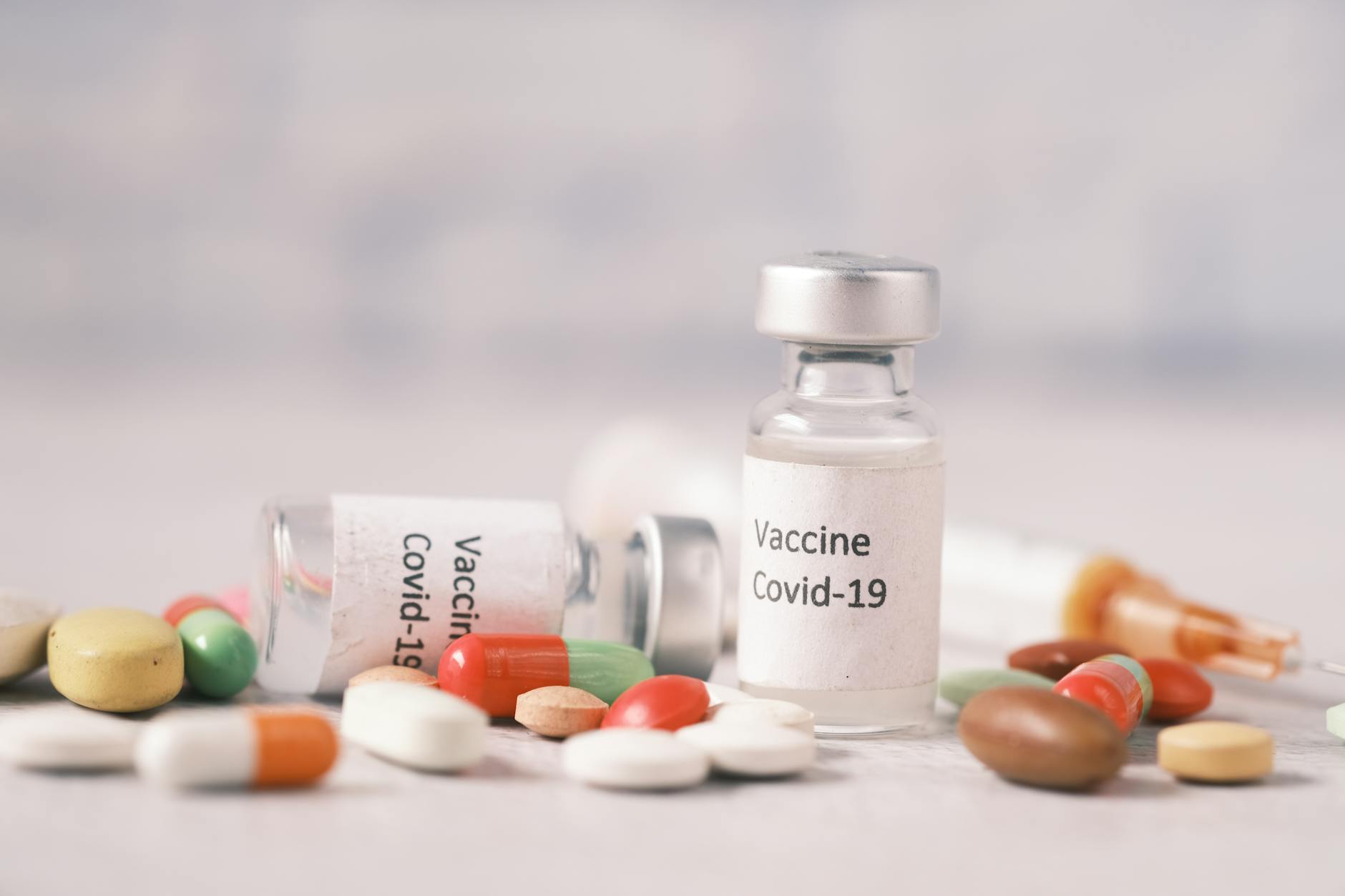
As China’s drug regulator clears wave of home-grown innovative medicines amid biotech boom, the pipeline shows no signs of slowing. Dozens of bispecific antibodies, mRNA vaccines, cell therapies, and even gene therapies are in later-stage clinical trials. International out-licensing deals have brought Chinese molecules to global markets. For the OSHC community, the upcoming trends are clear: more innovative therapies will cross from Chinese labs to global formularies, and Australian PBS listings for China-discovered drugs may become routine.
Personalized Medicine and Genomic Testing
China is also pouring resources into precision medicine. Companion diagnostics co-developed with innovative drugs are being approved, enabling more targeted treatments. An international student with a specific genetic mutation could benefit from a Chinese-developed targeted therapy that is both effective and affordable. If the student’s OSHC plan covers genomic profiling and subsequent precision oncology drugs, the integration of Chinese innovation into Australian treatment protocols becomes a personal advantage.
Digital Health and Telemedicine Integration
The NMPA has approved several digital therapeutics and AI-assisted diagnostic software, reflecting China’s broader tech ambitions. International students accustomed to Chinese digital health platforms may find it easier to maintain continuity of care when traveling between home and university. OSHC providers that partner with telemedicine platforms could incorporate Chinese telehealth innovations, offering multilingual services and seamless access to prescriptions for recently approved home-grown drugs.
Practical Advice for International Students Regarding Innovative Medicines
If you are an international student under OSHC, here is how you can stay informed and make the most of these developments:
- Check Your Health Insurance Policy: Review which prescription medications and hospital treatments are covered. Some plans may already include innovative biologics approved by major regulators.
- Consult Your University Health Service: Campus doctors can advise if a newly approved Chinese drug is being used in the host country and whether it is accessible to you.
- Monitor Global Regulatory News: When a Chinese drug gets a marketing authorization from the EMA or FDA, it becomes more likely to be included in OSHC formularies.
- Keep Medical Records Updated: If you have a condition that could benefit from a Chinese innovative therapy, maintain detailed records and share them with your healthcare provider abroad.
China’s drug regulator clears wave of home-grown innovative medicines amid biotech boom, but the ultimate beneficiaries are patients worldwide, including the globally mobile student population.
FAQ
What does it mean that China’s drug regulator clears wave of home-grown innovative medicines? It means the National Medical Products Administration (NMPA) has granted marketing approval to a large number of new drugs discovered and developed entirely within China. These include advanced treatments like CAR-T cell therapy and bispecific antibodies, moving beyond traditional generics.
Are these Chinese innovative medicines available outside China? Some are already out-licensed to global pharmaceutical companies and are undergoing clinical trials or seeking approval in other countries. Others are only available in China for now, but their international availability is expected to grow as regulatory collaborations expand.
Does OSHC cover treatments approved only by China’s NMPA? Typically, OSHC covers treatments that are approved by the host country’s regulator (e.g., TGA in Australia) and listed on the Pharmaceutical Benefits Scheme. A drug approved only by the NMPA would not usually be covered unless it also gains local approval. However, as more Chinese drugs enter global markets, they may become eligible for OSHC reimbursement.
Can international students bring their Chinese prescribed innovative medicines to Australia? Under Australia’s Personal Importation Scheme, students can bring a limited supply of medicine for personal use if it is unapproved in Australia, but strict conditions apply. Always consult an Australian-registered doctor and customs before importing any medication.
How does the biotech boom affect prescription drug prices globally? The entry of Chinese biotech firms creates competition, especially in the biologics and oncology sectors, often leading to lower prices. This can reduce the overall cost burden on health insurers, including those offering OSHC, which may help keep premiums stable over time.
Summary
China’s drug regulator clears wave of home-grown innovative medicines amid biotech boom, signaling a turning point for global healthcare. The NMPA’s accelerated approvals of CAR-T, bispecific antibodies, and therapies for rare diseases reflect a mature R&D ecosystem that prioritizes innovation and safety. For OSHC policyholders and international students, this means a wider range of potentially lower-cost, high-quality treatments could soon be accessible in their host countries. By staying informed about these developments and understanding how health insurance coverage works, students can better navigate their healthcare options and benefit from a more interconnected pharmaceutical world. The wave of approvals is not just a Chinese story; it is a global opportunity.