The United Kingdom’s National Health Service is entering a transformative phase. With a bold commitment to bring artificial intelligence into frontline care, the plan to use AI to speed up cancer diagnosis for millions of NHS patients is no longer a distant ambition—it is becoming a structured reality. For international students who rely on the NHS or similar public health systems, this evolution directly affects how quickly and accurately serious conditions can be identified and treated.
Cancer remains one of the most time-sensitive diseases in medicine. Every week of delay in diagnosis can change treatment options and outcomes. The NHS England Long Term Plan and subsequent digital health strategies have placed AI-powered diagnostics at the centre of efforts to reduce waiting lists, ease workforce pressure, and catch cancers at earlier, more treatable stages. This article explains what the technology involves, who it covers, and why it matters for the millions of international students who form a growing part of the UK’s healthcare user base.
What Is the NHS and Who Does It Cover?
The National Health Service is the publicly funded healthcare system of the United Kingdom. It provides care that is largely free at the point of use for residents, and it also extends certain services to international visitors depending on their visa status and the length of their stay. Most international students on a course lasting six months or longer are required to pay the immigration health surcharge as part of their visa application, which gives them access to NHS care on a similar basis to UK residents.
This means that when the NHS deploys a new diagnostic tool—like AI-driven cancer screening—those tools are also available to international students who fall under NHS coverage. Understanding advances inside the NHS is therefore not just a domestic UK topic; it is a direct concern for the global student community studying in Britain.
Understanding the AI Breakthrough in Cancer Diagnosis
In late 2024 and through 2026, NHS England has progressively expanded the use of artificial intelligence in medical imaging and pathology. The core promise is straightforward: AI can review tens of thousands of scans—mammograms, chest X-rays, CT scans—far faster than human radiologists alone, flagging suspicious areas that require further investigation.
The phrase AI to speed up cancer diagnosis for millions of NHS patients captures a range of programmes. For lung cancer, AI is being deployed to analyse chest X-rays and automatically prioritise cases that show potential malignancies. In dermatology, AI-powered dermatoscopes help GPs assess skin lesions with a higher degree of confidence, reducing unnecessary referrals and speeding up the trigger for biopsy when needed. For breast screening, AI is being used as a second reader alongside human radiologists, improving detection rates while reducing the recall rate for women who do not have cancer.
What makes this scale unusual is the democratising effect. Rather than restricting AI to a handful of teaching hospitals, the NHS intends to embed these tools across its integrated care systems so that patients in cities and rural areas alike benefit from the same detection capacity.
How This Technology Works in Practice
At a clinical level, AI for cancer diagnosis does not replace doctors; it changes where human expertise is focused. A typical workflow might look like this: a patient presents with symptoms that warrant imaging. The scan is captured digitally and immediately processed by an AI algorithm trained on millions of anonymised prior scans with confirmed outcomes. The algorithm produces a heat map or a risk score. Cases flagged as high risk are moved to the top of the reporting queue, and a radiologist reviews them with the AI suggestions overlaid.
This does two things. First, it cuts the average time from scan to report, sometimes from weeks to days. Second, it reduces the likelihood that a small, subtle lesion is missed when a radiologist is fatigued or dealing with an overwhelming caseload. Studies from NHS pilot sites have shown that AI-assisted reading can improve lung cancer detection rates by over 5% while reducing the time to diagnosis by more than 30% in certain cohorts.
For a student who visits a GP with a persistent cough, that acceleration can be life-changing. Instead of waiting through multiple referral stages, the system funnels high-risk signals faster, giving the student quicker clarity and, if necessary, an earlier start to treatment.
Why This Matters for International Students in the UK
International students often face particular health vulnerabilities. They are away from their home country’s support networks, adapting to a new climate and diet, and sometimes coping with stressors that can mask early symptoms. Access to a responsive health system is therefore critical.
The integration of AI to speed up cancer diagnosis for millions of NHS patients has several direct benefits for students:
- Reduced diagnostic uncertainty: A student who finds a lump or unusual mole can be assessed rapidly, with AI-enhanced tools helping GPs decide whether a referral is needed.
- Language and communication support: AI systems often come with standardised reporting that can be more easily translated or explained to someone whose first language is not English, reducing the anxiety that comes from ambiguous medical terminology.
- Continuity of care across term breaks: Faster diagnosis means that if a student needs treatment that spans summer holidays, the plan can be in place before they travel, avoiding fragmented care.
For universities hosting large numbers of international students, NHS AI deployment also lessens the strain on campus health services. Early detection means fewer emergency presentations and more manageable chronic care pathways.
The Role of Digital Health Beyond Diagnosis
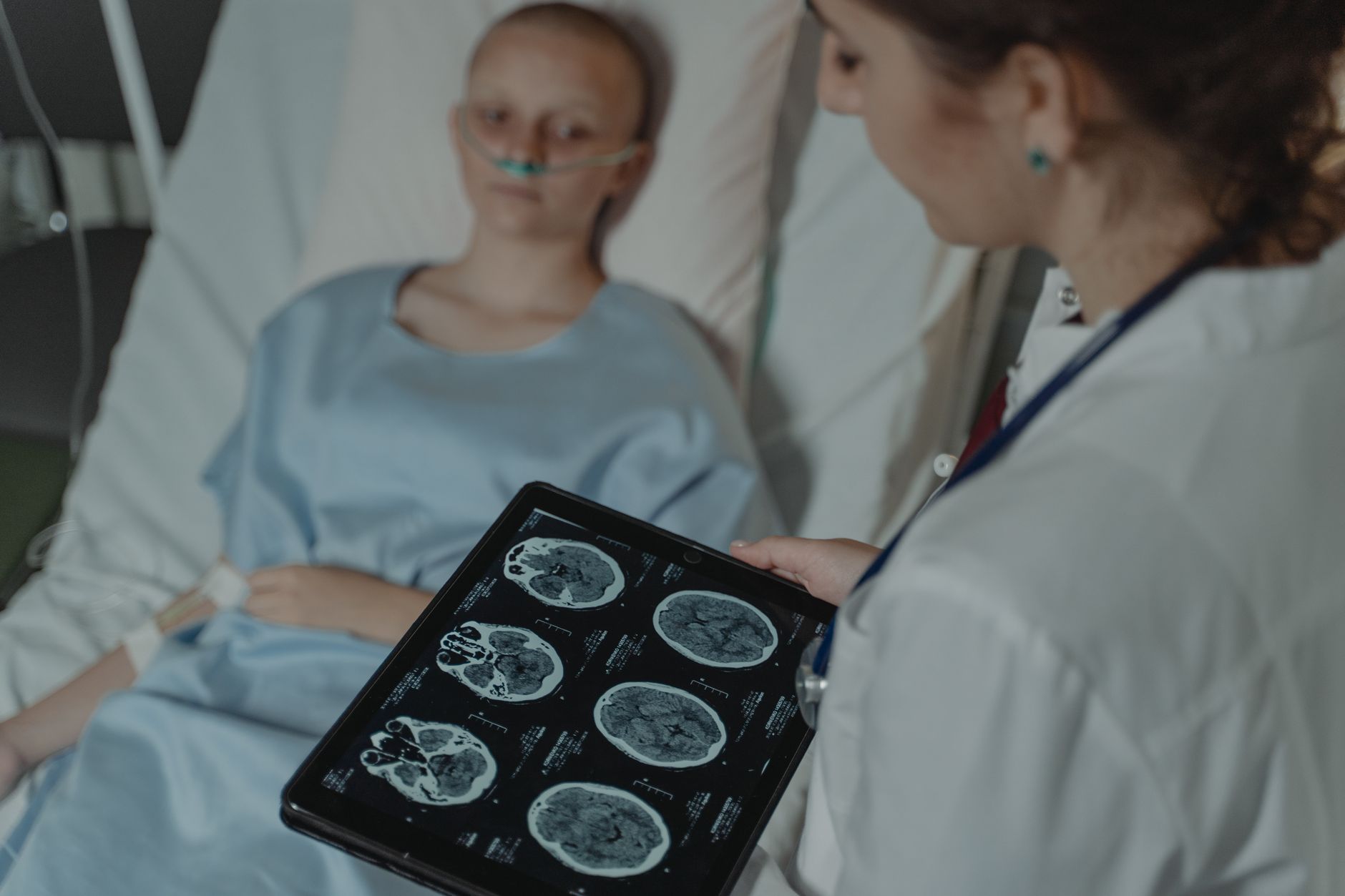
The NHS AI strategy extends beyond cancer diagnosis into prevention, monitoring, and virtual care. The same infrastructure that speeds up imaging analysis is also being applied to predict patient deterioration in hospitals, personalise chronic disease management, and support mental health triage. For the international student population, who are heavy users of digital-first services, this creates a familiar, app-based entry point into the health system.
Digital health passports, online GP consultations, and AI-symptom checkers are becoming standard. While these tools are not a replacement for in-person care, they help students navigate the system during evenings, weekends, or before they have registered with a local practice. This holistic digital layer makes the NHS more navigable for those unfamiliar with UK healthcare conventions.
What This Means for Global Student Health Insurance
Even though the NHS provides universal coverage for surcharge-paying students, many international students supplement it with private health insurance or hold mandatory Overseas Student Health Cover in countries like Australia. The accelerating use of AI inside public health systems is influencing private insurers too. Products are being redesigned to cover AI-informed second opinions, digital diagnostics, and even wearable-device monitoring that feeds into early warning systems.
For providers such as OSHC and equivalent UK private medical insurers, the NHS experiment provides a blueprint. When AI proves that it can safely reduce the time to cancer diagnosis in a large, publicly funded system, the case for including equivalent digital diagnostics in private student health plans becomes stronger. Insurers can negotiate with hospital networks to offer AI-prioritised imaging, faster access to specialist reviews, and integrated telehealth follow-ups.
The long-term implication is that a student moving between countries—from the UK to Australia, or from Europe to North America—may increasingly experience a consistent standard of AI-augmented care, underpinned by insurance products that recognise prompt diagnosis as a cost-saving and life-saving measure.
Frequently Asked Questions
Is AI cancer diagnosis available to international students on the NHS?
Yes. International students who have paid the immigration health surcharge are entitled to NHS care on the same terms as ordinary residents. This includes any AI-assisted diagnostic pathways that are active in their local area.
Does AI replace doctors in the diagnostic process?
No. AI works alongside clinicians by highlighting areas of concern on scans and prioritising urgent cases. The final diagnosis and treatment decisions remain with qualified medical professionals.
How accurate are these AI systems?
Accuracy varies by cancer type and the specific algorithm, but NHS pilot programmes have demonstrated detection rates that match or slightly exceed conventional double-reading by radiologists, while significantly reducing the time to report.
What types of cancer are covered by the NHS AI initiatives?
Current large-scale deployments focus on lung cancer, breast cancer, and skin cancer. Additional pilots are underway for prostate cancer and colorectal cancer imaging.
Will AI diagnosis reduce waiting times across the NHS?
Evidence from early adopters suggests that AI-assisted workflows can cut the time from scan to diagnosis by 30–50% for certain pathways. However, overall waiting times depend on many factors, including staffing levels and treatment capacity.
Do I need special insurance to access AI-enhanced diagnostics?
For NHS patients, no special insurance is needed. In the private sector or outside the UK, some emerging student health plans are beginning to cover AI-informed second opinions and fast-track digital diagnostics.
The Bigger Picture: A Faster, Fairer Diagnosis Journey

The commitment to use AI to speed up cancer diagnosis for millions of NHS patients is more than a technological milestone. It signals a shift towards a health system where the speed of diagnosis is not determined by postcode, clinician availability, or luck, but by intelligent tools that work consistently across the board. For international students, this means that while they are far from home, they are not left behind in the queue.
As the NHS continues to roll out these tools and as other health systems watch the results closely, the intersection of artificial intelligence and public healthcare will set new expectations. Students, universities, and insurers all have a stake in a world where a troubling symptom can be investigated swiftly, and where the words “you have cancer”—if they must be spoken—are spoken earlier, when more can be done.